
When winter rolls around in Alexandria, VA, there’s nothing quite like sliding into a warm car after facing chilly winds and frozen sidewalks. But here’s the thing—your car’s heating system isn’t just about comfort. It’s also a key component in defrosting your windshield, maintaining visibility, and ensuring your engine stays running at optimal temperature in colder conditions. So, before the temperatures really drop, let’s talk about winter car maintenance and how to ensure your vehicle heating system is truly ready for the season.
At Franconia Auto Care, we’ve seen firsthand what can happen when winter prep gets ignored. From frozen radiators to foggy windshields that won’t clear, the list goes on. But the good news? It doesn’t take much to get ahead of these issues with a few proactive steps.
What Makes the Vehicle Heating System Work?
First, let’s break down the basics. Your vehicle heating system isn’t separate from your engine’s cooling system. In fact, it depends on it.
Here’s how it works: Your engine generates heat as it runs. Coolant (a mix of water and antifreeze) absorbs that heat and cycles it through the radiator to keep your engine from overheating. A small portion of that hot coolant is diverted into the heater core—a mini radiator located behind your dashboard. A fan then blows air over the heater core and into your cabin, warming it up.
If any part of that system fails—whether it’s low coolant, a clogged heater core, or a broken thermostat—you’ll either get weak heat or none at all.
Signs Your Heating System Needs Attention
Getting ahead of winter car maintenance means recognizing early signs of trouble. Watch out for:
- Weak or no airflow even when the fan is on full blast
- Only cold air blowing, even after the engine warms up
- A sweet smell inside your car (often a sign of a coolant leak)
- Foggy windows that take forever to defrost
- Coolant levels dropping with no visible leak under the car
- Unusual engine temperature readings
These symptoms are your car’s way of waving a red flag. Don’t wait until you’re shivering at a stoplight or scraping ice with frozen fingers—schedule a checkup as soon as you spot them.
Step-by-Step Guide to Preparing Your Heating System for Winter
Let’s dive into some practical steps you can take right now to prepare your heating system for winter.
1. Check Your Coolant Levels and Condition
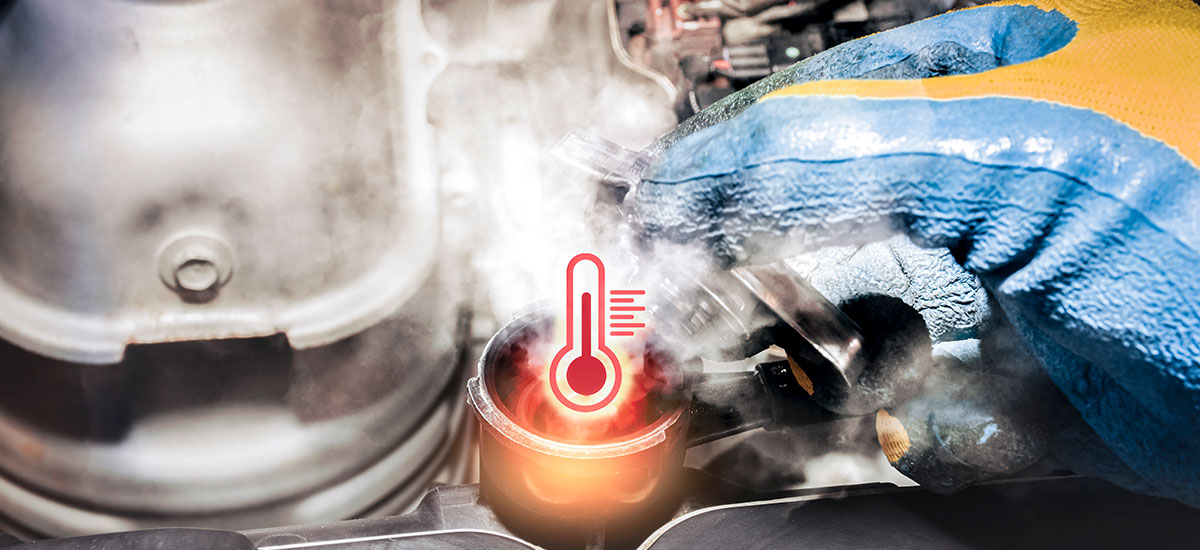
Coolant (also known as antifreeze) is the lifeblood of both your engine’s cooling and heating systems. Pop the hood and check the reservoir—coolant should be between the minimum and maximum lines. If it’s low, top it off with the correct mix of coolant and distilled water (usually a 50/50 mix, but your owner’s manual will confirm).
If the fluid looks rusty or murky, it’s time for a flush. Old coolant can corrode internal parts, leading to leaks and clogs—both enemies of warm cabins and clear windshields.
2. Inspect the Thermostat
The thermostat regulates your engine’s temperature by controlling the flow of coolant. If it sticks open, your engine (and therefore your heater) may never reach full operating temperature. If it sticks closed, the engine can overheat.
A faulty thermostat can quietly ruin your winter driving experience. If you notice your engine takes forever to warm up or never reaches the normal temperature range, bring it in for a test.
3. Evaluate Heater Core Performance
The heater core is like the radiator’s cousin. It’s small but mighty, and if it’s clogged, you’ll get poor heating and possibly a wet floor from coolant leaks.
Fixing or replacing a heater core can be a complex job, so it’s best to have it checked by professionals like our team at Franconia Auto Care. We’ll pressure test the system and run diagnostics to make sure your core is functioning like it should.
4. Inspect Blower Motor and Fan
You might have hot coolant flowing just fine, but without a functioning fan to blow air over the heater core, that warmth won’t reach your cabin. If your fan only works on certain settings or not at all, it may be a blown resistor, faulty motor, or even a bad switch.
This is a relatively quick repair for a trained tech, and it can make the difference between bundled misery and toasty comfort.
5. Check and Replace the Cabin Air Filter
A clogged cabin air filter can reduce airflow through your vents, making your heater work harder and less efficiently. It can also trap musty smells and allergens, which nobody wants swirling through their car in the dead of winter.
Most manufacturers recommend replacing this filter every 15,000–30,000 miles. It’s inexpensive and makes a big difference in cabin comfort.
6. Test the Defroster and Rear Window Heater
Your front defroster uses the heating system to clear up the windshield, while your rear defroster usually relies on electric heating elements. If either isn’t working properly, visibility becomes a serious safety concern.
Run both systems and check how quickly they respond. If your rear defroster lines are damaged or your front vents aren’t clearing condensation or frost effectively, it’s time for a visit to the shop.
7. Check for Coolant Leaks
Leaks can be sneaky—sometimes the only clue is the faint smell of antifreeze in the cabin or a slowly disappearing reservoir level. Small leaks left unchecked can lead to major engine damage and a suddenly cold car.
At Franconia Auto Care, we use specialized tools to pressurize your system and pinpoint even the smallest leaks before they become big headaches.
8. Flush the Cooling System (If Needed)
Over time, your coolant breaks down and loses its anti-corrosion properties. Old coolant can cause sludge buildup, block passages in the heater core, and lead to overheating or poor cabin heat.
If it’s been a couple of years (or about 30,000–60,000 miles), it’s probably time for a flush. Our technicians will safely remove the old coolant, clean the system, and refill it with fresh fluid that meets manufacturer specs.
Why Winter Car Maintenance Matters
Winter weather can be harsh on vehicles, especially if they’re not prepared. Neglecting your heating system doesn’t just make drives uncomfortable—it can impact visibility, engine performance, and even your safety on the road.
A well-functioning heating system:
- Keeps your windshield and windows clear
- Provides comfort for you and your passengers
- Prevents engine damage due to cold-related issues
- Protects your vehicle’s internal components from corrosion and overheating
And remember, vehicle heating system problems often come with other warning signs—like overheating or a sweet smell. So when you tackle winter prep, you’re not just staying warm, you’re proactively protecting your car’s health.
Get Your Car Ready Before the First Frost
You wouldn’t head out into the snow without a coat—so don’t send your vehicle into winter without a checkup. At Franconia Auto Care, we’re here to make sure your heating system is ready to handle everything the Alexandria winter throws at it.
Our skilled, responsive, and reliable technicians will perform a complete heating and cooling system inspection, diagnose any issues, and make sure you’re set for the season. As a TechNet Professional Automotive Service® center, all qualifying repairs are backed by our 24-month/24,000-mile nationwide warranty—so you can drive with confidence, even far from home.
Whether you need a coolant flush, thermostat replacement, or just peace of mind, schedule your winter readiness check at Franconia Auto Care today. Give us a call or stop by our shop on Franconia Road—we’re here to help you stay warm, safe, and worry-free all season long.