
Winter in Alexandria, Virginia, can be tough on vehicles, and your car battery is often the first component to feel the chill. Cold weather doesn’t just make mornings uncomfortable—it can also sap the power of your battery and leave you stranded on a frosty street. Understanding how to protect your battery during freezing temperatures is essential for any car owner, whether you’re commuting to work, running errands, or heading out on a weekend road trip.
Batteries naturally lose a significant portion of their cranking power as temperatures drop. For instance, a battery that works perfectly at 70 degrees Fahrenheit may lose nearly half its power when the temperature dips below 0 degrees. This means your car might struggle to start in the morning, even if the battery is only a few years old.
Understanding the impact of cold weather on batteries and taking proactive steps can save you from the inconvenience of a dead battery and the expense of an emergency tow. Here’s what every driver should know.
Why Winter Is Tough on Car Batteries
Car batteries rely on chemical reactions to produce the electricity needed to start your engine. These reactions slow down as the temperature drops, making it harder for your battery to generate sufficient power. In addition, winter puts extra strain on your vehicle: heaters, defrosters, heated seats, and lights all demand more from your battery.
Another factor is that cold weather thickens engine oil, increasing the resistance the starter motor faces. This combination of a weaker battery and a more demanding engine can result in slow cranking or a car that won’t start at all. Batteries nearing the end of their lifespan are particularly vulnerable.
Signs your battery might be struggling include:
- Slow engine crank when turning the key
- Dimming headlights
- Electrical accessories that don’t operate as smoothly
- A check engine or battery warning light
If you notice any of these issues, it’s a good idea to have your battery tested before the cold weather worsens.
Steps to Keep Your Battery Healthy
1. Check Your Battery’s Age and Condition
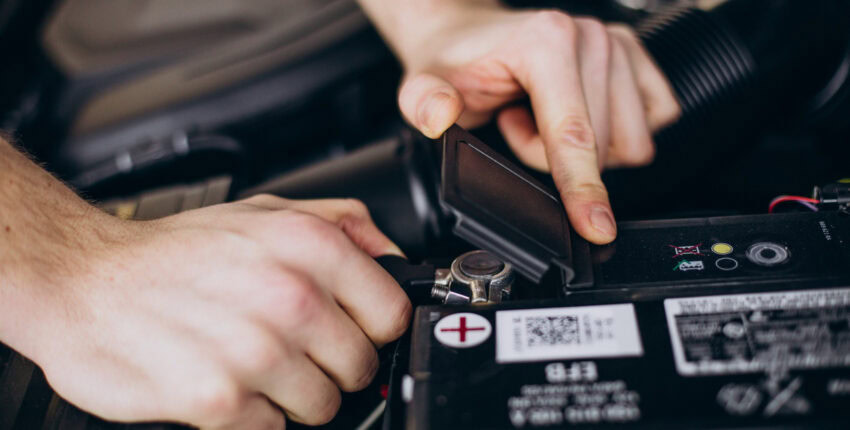
Most car batteries last between three and five years. If your battery is approaching this range, it may not have the capacity to handle severe winter conditions. Inspect the battery for visible damage, such as corrosion on terminals or cracks in the casing. Even minor corrosion can reduce efficiency, so clean the terminals using a mixture of baking soda and water or a commercial battery cleaner. Make sure connections are tight and free of debris.
2. Keep Your Battery Fully Charged
A fully charged battery is less likely to freeze and is more capable of providing the necessary power to start your vehicle. If your car is used infrequently, consider using a battery maintainer or trickle charger to keep it at optimal charge. Avoid short trips that don’t give your alternator enough time to recharge the battery, as this can gradually weaken it over time.
3. Limit Electrical Load Before Starting
Before turning the key on a cold morning, turn off unnecessary electrical accessories like the radio, heater fan, and lights. This ensures the maximum amount of battery power goes to starting the engine. Once the car is running and warmed up, you can safely turn everything back on.
4. Keep Your Car Warm When Possible
Whenever feasible, park your car in a garage or sheltered area. Even a basic carport can reduce exposure to extreme cold. If you don’t have covered parking, using an engine block heater or battery warmer can make a big difference. These devices keep the battery and engine oil warmer, making it easier to start your car and reducing the strain on your battery.
5. Inspect the Charging System
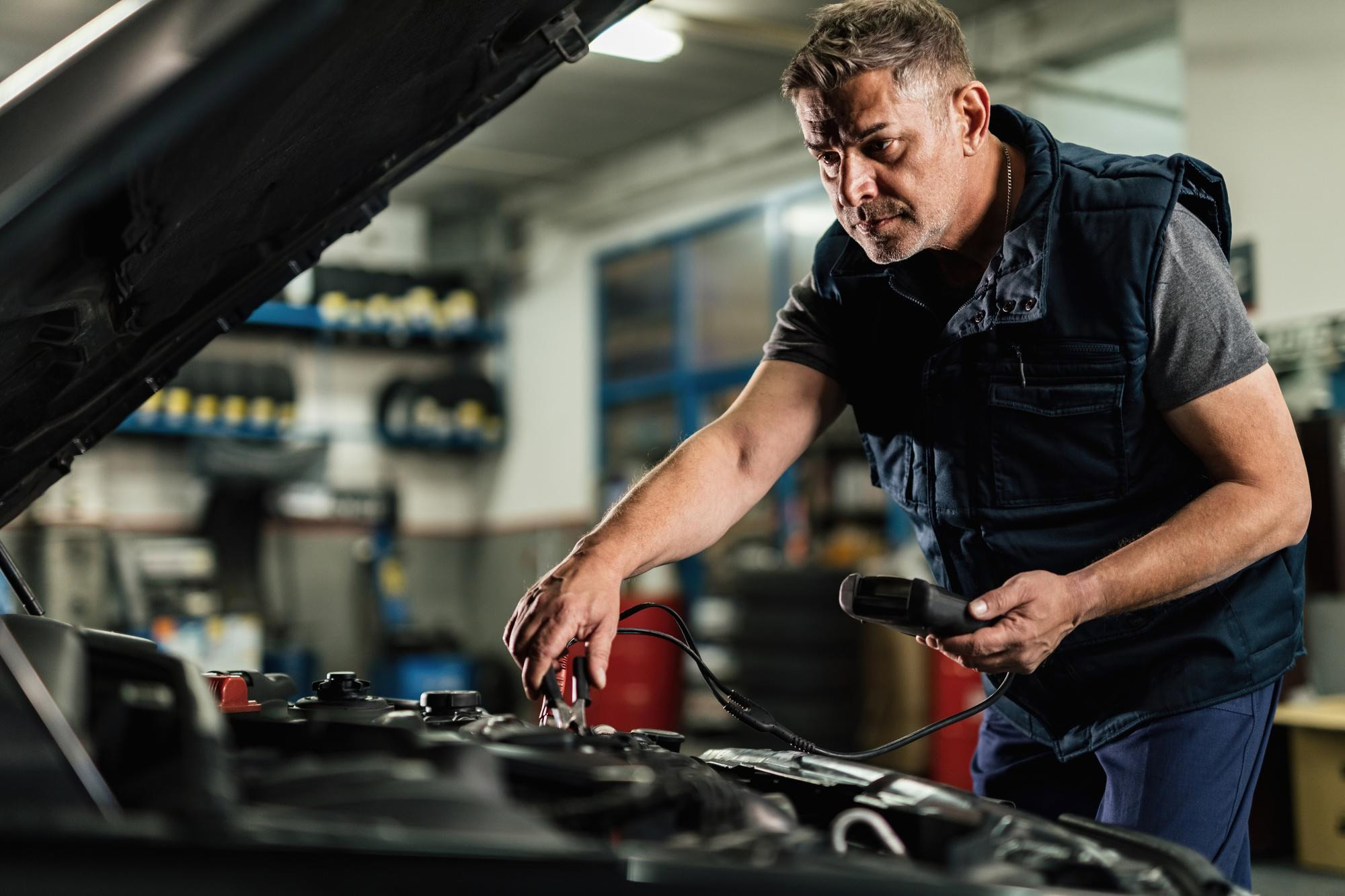
Your battery works hand-in-hand with your alternator. If your charging system isn’t functioning properly, your battery may not maintain a full charge, especially in winter. Have a trusted mechanic perform a charging system inspection to ensure your alternator, voltage regulator, and related components are all in good working order. Franconia Auto Care offers comprehensive checks to keep your car ready for cold weather.
6. Avoid Extreme Temperature Swings
Rapidly changing temperatures can put stress on your battery. If you park outdoors during the day and move the car to a heated garage at night, allow the vehicle to stabilize before starting. Sudden warming of a frozen battery can cause condensation inside the casing, which may lead to corrosion or electrical shorts.
7. Carry Emergency Equipment
Even with proper maintenance, batteries can fail. Keep jumper cables, a portable jump starter, and a set of gloves in your car during winter. Knowing how to jump-start a battery safely can save time and prevent a frustrating morning delay.
8. Know When to Replace Your Battery
No matter how well you maintain it, a battery has a finite lifespan. If your battery is more than five years old or consistently shows signs of weakness, replacement is the safest choice. Replacing your battery before it fails during a cold snap can prevent inconvenience, costly towing, and potential safety hazards.
How Franconia Auto Care Can Help
At Franconia Auto Care, our team of certified technicians in Alexandria, VA, has extensive experience keeping cars ready for winter. We offer thorough battery inspections, charging system diagnostics, and replacement services. Our goal is to ensure your car starts reliably, even during the harshest cold snaps.
We can also provide advice on the best winter maintenance practices for your specific vehicle, including proper battery selection, care tips, and preventative checks.
If you want to make sure your battery and charging system are ready for winter, schedule a visit with Franconia Auto Care today. Our certified technicians provide fast, reliable service with upfront pricing and a commitment to your satisfaction. Don’t wait for the first icy morning to find out your battery is struggling—take action now and drive confidently all winter long.