side-view-moving-tire-car-man-uniform-is-working-auto-salon_146671-89700.avif February 27, 2

Clicking When Turning or Humming While Driving: CV Axle vs Wheel Bearing Noise

As a car owner, noticing unusual noises from your vehicle can be worrying. Two of the most common complaints we hear at Franconia Auto Care in Alexandria, VA, involve clicking noises when turning and humming noises while driving. Understanding whether these sounds come from a failing CV axle or worn wheel bearings can save you from expensive repairs and, more importantly, keep you safe on the road.

Let’s break down what these noises mean, how to identify the root cause, and what steps you should take next.

What Causes Clicking Noise When Turning

If you hear a distinct clicking noise when turning your vehicle, it often points to a problem with your CV joints. CV joints, or constant velocity joints, connect your car’s transmission to the wheels while allowing them to turn and move with the suspension. Over time, these joints wear out or their protective boots tear, allowing dirt and debris in and lubricants out.

Key CV Axle Symptoms

Recognizing bad CV joint symptoms early can prevent further damage. Some warning signs include:

  • Clicking noise when turning: The most classic symptom. You may hear it more when making sharp turns at low speeds.

  • Grease on the inside edge of your tires: A torn CV boot often leaks grease.

  • Vibration while driving: A worn CV joint may cause noticeable vibrations, especially during acceleration.

  • Difficulty steering: In advanced cases, steering may feel less responsive.

Ignoring these signs can lead to a complete CV joint failure, which can immobilize your car and create a safety hazard.

Understanding Wheel Bearing Noise

Wheel bearings are another common source of automotive noise. These small components allow your wheels to spin smoothly with minimal friction. When they begin to fail, you might hear a humming, grinding, or growling noise that changes with vehicle speed.

Identifying Wheel Bearing Symptoms

Wheel bearing symptoms are distinct but can sometimes be confused with CV axle issues. Key signs to watch for include:

  • Humming noise while driving: Typically increases with speed and may get louder when turning.

  • Grinding noise while driving: Often a more severe indicator of bearing wear or damage.

  • Uneven tire wear: Worn wheel bearings can cause your tires to wear irregularly.

  • Wheel play or looseness: If a wheel has excessive movement when lifted, the bearing may be failing.

Unlike CV joints, wheel bearing noise often persists even when driving straight. If left unaddressed, a failing bearing can cause the wheel to seize or even detach from the vehicle.

CV Axle vs Wheel Bearing Noise: How to Tell the Difference

At first, clicking or humming noises may seem similar, but there are ways to distinguish between a bad CV joint and a failing wheel bearing:

  1. Noise pattern: Clicking noises are usually associated with turning and acceleration, while humming or grinding noises occur steadily and often increase with speed.

  2. Location of the sound: CV axle problems often originate from the front or rear wheels near the CV joint, whereas wheel bearing noise can appear from the wheel hub area.

  3. Vibration: A damaged CV joint can cause vibrations during acceleration, while worn wheel bearings might create vibrations that correlate with wheel speed.

  4. Grease or fluid leaks: CV joint boots may leak grease onto the inside of your tire, which is not a common symptom of wheel bearing wear.

Why Prompt Attention Matters

Delaying repairs can quickly turn minor issues into major expenses. A worn CV joint that breaks while driving can cause your vehicle to lose power to the wheel, making it unsafe to drive. Similarly, a failing wheel bearing can cause severe wheel damage, uneven tire wear, and potential accidents.

At Franconia Auto Care, our certified technicians in Alexandria, VA are trained to diagnose these issues accurately. With over 2,500 cars repaired and 5,400 tires replaced this year alone, we bring both experience and precision to every repair.

Professional Diagnosis and Repair

Proper diagnosis involves a detailed inspection of your vehicle, including:

  • Lifting the car to inspect CV joints and wheel bearings.

  • Checking for grease leaks, torn boots, or abnormal wheel movement.

  • Road testing to replicate noises under controlled conditions.

For CV axle replacements, we use high-quality parts to restore smooth operation and prevent future problems. Wheel bearing replacement in Alexandria, VA, is handled with care, ensuring the proper torque and alignment to extend the life of your tires and suspension.

Regular maintenance also plays a role in preventing these issues. Checking CV boots, lubricating joints, and monitoring for early wheel bearing symptoms can keep your car running quietly and efficiently for years.

When to Call a Professional

If you notice any of the following, it’s time to schedule an appointment with a trusted auto repair shop:

  • Persistent clicking noise when turning.

  • Humming or grinding noise while driving.

  • Unusual tire wear or vibration.

  • Visible grease leaks near your wheels.

Franconia Auto Care offers reliable, expert auto repair services for Alexandria drivers. As a TechNet Professional Automotive Service® center, we provide a nationwide warranty for 24 months or 24,000 miles on repairs. This ensures peace of mind and confidence that your car is in good hands.

Our team of trained technicians is committed to upfront pricing, quick service times, and exceptional customer care. From CV axle replacements to wheel bearing noise diagnostics and repairs, we handle every job with precision and attention to detail.

Don’t wait for a small clicking or humming sound to turn into a dangerous problem. Bring your car in for a thorough inspection and get back on the road safely and confidently.

team-auto-repair-workers-discussing-condition-tyres-customer-car_259150-67785.avif

Battery Keeps Dying Overnight? Parasitic Draw Testing Explained (Simple Version)

If your car battery keeps dying overnight, it can feel like a mystery you just can’t solve. You leave your vehicle parked for a few hours, and by morning, the engine won’t turn over. You’ve jumped it, maybe even replaced the battery, but the problem keeps coming back. What’s going on? The likely culprit is something called a parasitic draw, and understanding it can save you time, money, and frustration.

At Franconia Auto Care in Alexandria, VA, we see this issue often. Our certified technicians specialize in electrical diagnostics and can quickly pinpoint what’s silently draining your battery while your car sits idle. In this article, we’ll break down the problem, explain how a parasitic draw test works, and give you a clear path to solving it.

What is a Parasitic Draw?

A parasitic draw happens when an electrical component in your car continues to use power even after you’ve turned off the ignition. While some battery drain is normal—for example, your car’s clock or security system—excessive drain can lead to a car battery drain overnight.

Think of it like leaving a string of lights on in your house. One small light won’t matter much, but a forgotten string of holiday lights can empty the battery in hours. In cars, the culprits might be a stuck relay, a glove box light that won’t turn off, or an aftermarket accessory wired incorrectly.

The signs of a parasitic draw are clear:

  • Your car battery keeps dying, even after replacement.

  • The battery light on the dashboard flickers or stays on intermittently.

  • You notice your headlights dim or accessories act strangely.

  • Jump-starting is required frequently.

If you’re experiencing any of these symptoms, it’s time to investigate further.

Why Your Car Battery Keeps Dying

Even a healthy battery can’t keep up with an ongoing electrical drain. Here’s why:

  1. Faulty alternator: The alternator keeps your battery charged while driving. If it fails, your battery may not get enough charge, showing alternator symptoms like dim lights, slow-starting engine, or a warning light on the dash.

  2. Old battery: Over time, batteries lose capacity and can’t hold a full charge. If you have an older battery and it keeps dying overnight, it could be the combination of age and parasitic draw.

  3. Electrical component issues: Any device drawing more power than it should can create a hidden drain. Common offenders include interior lights, audio systems, navigation devices, and aftermarket electronics.

Understanding what’s draining the battery is crucial. Replacing the battery alone won’t fix the root cause.

How to Test for a Parasitic Draw

The process of diagnosing a parasitic draw might sound complex, but it can be explained in simple steps.

  1. Prepare your tools: You’ll need a multimeter capable of measuring current (amps). Make sure the car is off, keys removed, and doors closed.

  2. Connect the multimeter: Disconnect the negative battery cable and attach the multimeter between the battery post and cable. This setup allows you to measure current flowing from the battery while the car is off.

  3. Measure the current: Most modern cars have a small, normal drain—around 50 milliamps. Anything above 100 milliamps may indicate a parasitic draw.

  4. Identify the culprit: Pull fuses one at a time while watching the multimeter. When the reading drops significantly, you’ve found the circuit causing the drain. From there, a technician can locate the exact component responsible.

This step-by-step method is what we perform at Franconia Auto Care during a parasitic draw test, and it’s the most reliable way to identify hidden battery drains without guesswork.

Common Causes of Parasitic Draw

Understanding the most common sources helps car owners know what to watch for:

  • Interior lights: Glove box, trunk, or dome lights that stay on accidentally.

  • Aftermarket electronics: Alarm systems, stereo installations, or dash cams with improper wiring.

  • Faulty relays or modules: Modern cars have complex electronics, and a stuck relay can continuously pull power.

  • Short circuits: Damaged wiring that contacts metal or ground can drain a battery quickly.

By identifying these issues early, you prevent repeated battery replacements and the frustration of waking up to a dead car.

How to Know if You Need Professional Help

While basic checks like ensuring lights are off can help, parasitic draws often require professional diagnostics. If your car battery keeps dying, here’s what you should do:

  • Note the frequency: Are you jump-starting daily or every few nights?

  • Check battery age: If it’s over three years old, it might be partially at fault.

  • Look for warning signs: Dashboard lights, dimming, or accessories malfunctioning.

  • Schedule a parasitic draw test with a certified auto repair shop.

Trying to find a draw without proper tools or knowledge can lead to accidental shorts or damaged electronics. Professionals like our team at Franconia Auto Care have the expertise and equipment to safely diagnose and repair these issues.

Additional Tips to Protect Your Battery

Even after fixing a parasitic draw, it’s wise to take steps to protect your battery:

  • Drive regularly: Short trips may not fully recharge your battery. A longer drive helps maintain optimal charge.

  • Turn off accessories: Ensure lights, radios, and any devices are off when parked.

  • Battery maintenance: Clean terminals, check for corrosion, and ensure connections are tight.

  • Monitor warning signs: Pay attention to battery light on dashboard and any unusual electrical behavior.

Following these tips helps extend the life of your battery and avoids unnecessary breakdowns.

Why Franconia Auto Care Is the Right Choice

If you’re dealing with a car battery drain overnight, you want a shop you can trust. At Franconia Auto Care in Alexandria, VA, our certified technicians have years of experience with electrical diagnostics. We are a TechNet Professional Automotive Service center, which means all work is backed by a nationwide warranty for 24 months or 24,000 miles.

Our team has performed thousands of parasitic draw tests and can quickly identify the hidden drains that cause your battery to die. We value your time, and our 24-hour pick-up and drop-off service makes it easy to get your vehicle tested and repaired without disrupting your schedule.

Get Your Battery Checked Today

A dead battery in the morning is more than an inconvenience—it’s a sign that your car’s electrical system needs attention. Don’t wait until you’re stranded. Bring your vehicle to Franconia Auto Care for a thorough parasitic draw test and expert repairs. With our honest pricing, certified technicians, and dedication to top-quality service, you can drive with confidence knowing your battery will start every time.

Call us today or drop by our Alexandria, VA shop to get your battery and electrical system inspected. Solve your battery problems now before they leave you stuck.

car-inspection-service-with-engineer-man-garage-report-vehicle-repair-insurance-maintenance-professional-expertise-with-young-mechanic-workshop-assessment_

Serpentine Belt Noise: Squeal vs Chirp (Belt, Tensioner, or Idler Pulley?)

You turn the key, the engine fires up, and suddenly your peaceful morning is interrupted by a loud noise from under the hood. Maybe it is a sharp squeal, maybe it is a fast chirp, or maybe it sounds like something is protesting every time you accelerate. Serpentine belt noise is one of the most common complaints drivers bring to the shop, and it is also one of the most misunderstood.

Many car owners assume any belt noise means the belt itself is worn out. Sometimes that is true. Other times, the real issue is a weak tensioner or a failing idler pulley. Knowing the difference between a serpentine belt squeal and a chirping noise from engine components can help you understand what your vehicle is telling you and why it should never be ignored.

At Franconia Auto Care, our certified technicians in Alexandria, VA, see these problems every day. With years of experience and the backing of the TechNet Professional Automotive Service program, we help drivers identify accessory belt symptoms early, before they turn into breakdowns or costly repairs.

Let us break down what these noises mean, what causes them, and when it is time to schedule professional service.

What the Serpentine Belt Actually Does

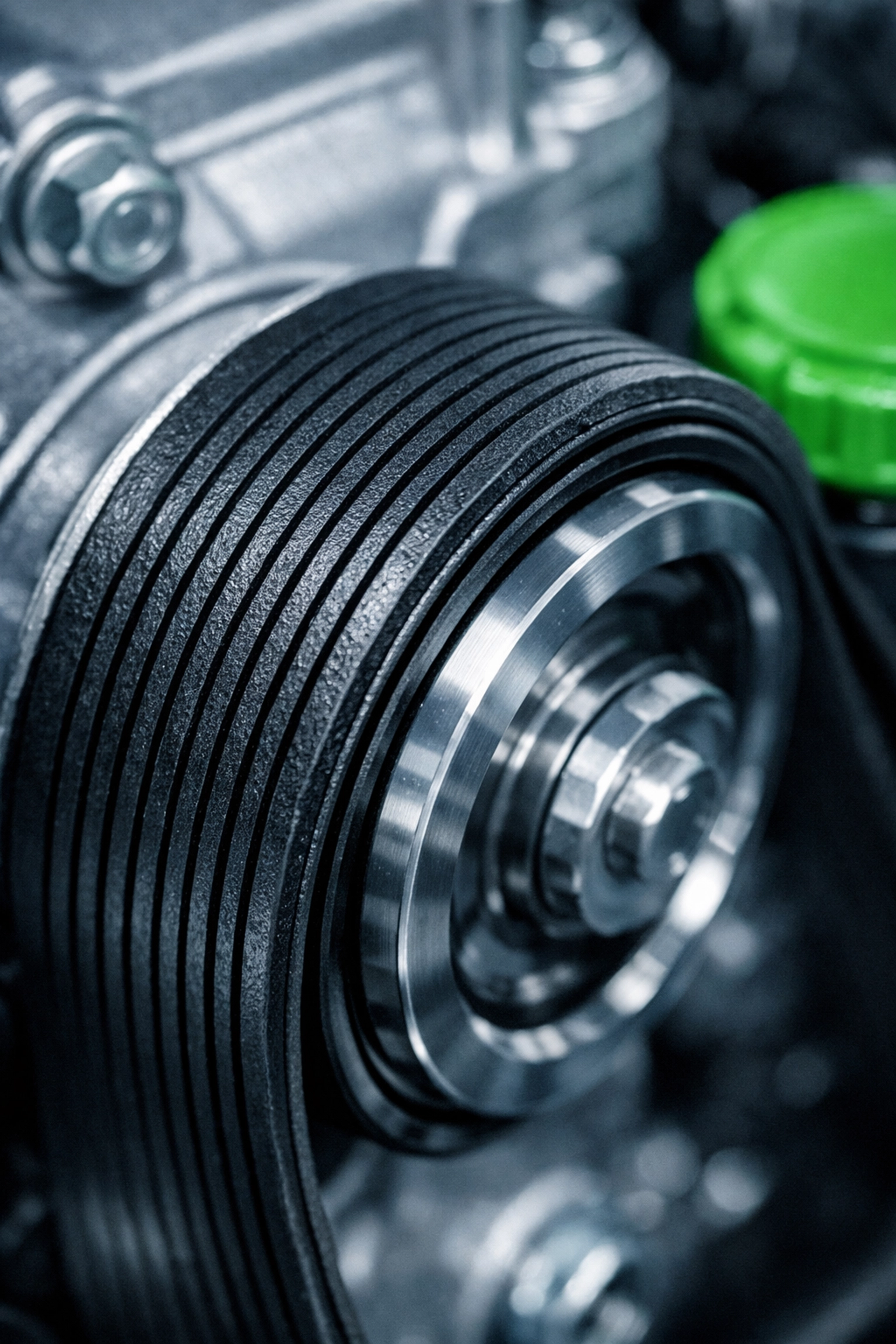
The serpentine belt, sometimes called the accessory belt, is a long, reinforced rubber belt that winds its way around multiple pulleys at the front of your engine. Unlike older vehicles that used several individual belts, most modern cars rely on a single serpentine belt to power critical systems.

As the engine runs, the belt transfers rotational energy to components such as:

  • The alternator, which charges the battery


  • The power steering pump, which helps you steer easily


  • The air conditioning compressor, which keeps the cabin cool


  • The water pump on many vehicles, which helps regulate engine temperature


Because so many systems depend on this one belt, accessory belt symptoms can show up in many different ways. Noise is often the first warning sign, long before a belt snaps or a pulley locks up.

Squeal vs Chirp: Why the Sound Matters

Not all belt noises sound the same, and the type of noise can give valuable clues about the underlying problem.

A serpentine belt squeal is usually a high-pitched, sustained noise. It often happens during startup, heavy acceleration, or when turning on accessories like the air conditioner. Many drivers describe belt squeal when starting the engine on a cold morning or after the car has been sitting overnight.

A chirping noise from engine components, on the other hand, tends to be shorter and more rhythmic. It may come and go with engine speed and often sounds like a quick bird chirp or repetitive ticking.

Understanding whether you are hearing a squeal or a chirp helps narrow down whether the issue is the belt itself, belt tensioner symptoms, or idler pulley noise.

Common Causes of Serpentine Belt Squeal

A serpentine belt squeal happens when the belt slips instead of gripping the pulleys properly. That slipping creates vibration, which produces the familiar squealing sound.

Some of the most common causes include:

Worn or glazed belt
Over time, the rubber compound of the belt hardens and becomes shiny or cracked. A worn belt cannot grip as well, especially during belt squeal when starting or under heavy electrical load.

Contamination
Oil, coolant, or power steering fluid leaking onto the belt can reduce friction. Even a small leak can trigger a persistent serpentine belt squeal.

Cold temperatures
Cold weather makes rubber stiffer. A belt that is already near the end of its life may squeal loudly during startup until it warms up.

Incorrect belt routing or installation
If a belt is not installed correctly, it may not align properly with the pulleys, leading to immediate noise.

While replacing the belt may seem like the obvious solution, it is important to remember that belt squeal when starting is not always caused by the belt alone.

Belt Tensioner Symptoms You Should Not Ignore

The belt tensioner is a spring-loaded component designed to keep the serpentine belt tight as it stretches and wears. When the tensioner weakens, the belt can slip even if it is relatively new.

Common belt tensioner symptoms include:

  • Persistent serpentine belt squeal even after belt replacement


  • Belt squeal when starting that does not improve as the engine warms


  • Visible vibration or fluttering of the belt while the engine is running


  • Uneven belt wear or frequent belt failures


A failing tensioner may not make noise on its own, but it allows the belt to move in ways it should not. This often leads drivers to replace the belt repeatedly without solving the real problem.

At Franconia Auto Care, our trained technicians inspect both the belt and the tensioner together. This ensures that serpentine belt replacement in Alexandria, VA actually fixes the issue instead of masking it.

Idler Pulley Noise and Chirping Sounds

Idler pulleys guide the belt and help maintain proper alignment. Unlike the tensioner, idler pulleys do not apply pressure. They simply spin freely on a bearing.

When those bearings wear out, idler pulley noise often appears as a chirping noise from engine areas. This sound is usually more noticeable at idle or low speeds and may change pitch as engine RPM increases.

Signs of a failing idler pulley include:

  • Repetitive chirping noise from engine bay


  • Grinding or rough spinning when the belt is removed


  • Visible wobble in the pulley


  • Belt tracking issues or uneven wear


Idler pulley noise is often mistaken for serpentine belt squeal, but replacing only the belt will not fix a bad bearing. Ignoring this noise can lead to a seized pulley, which can instantly shred the belt and leave you stranded.

Why Belt Noise Often Shows Up During Startup

Many drivers report belt squeal when starting the engine, especially first thing in the morning. This happens because startup places high demand on the belt system all at once.

The alternator works hard to recharge the battery, the power steering pump loads up, and the engine transitions from cold to running speed. If the belt, tensioner, or idler pulley is already worn, this sudden demand makes the weakness obvious.

If the belt squeals when starting becomes a regular occurrence, it is a strong sign that one or more accessory belt symptoms need professional attention.

The Real Cost of Ignoring Belt and Pulley Noise

Some drivers live with a serpentine belt squeal for months, assuming it is just an annoyance. Unfortunately, belt and pulley issues rarely stay minor.

If the belt slips too much, it can overheat and crack. If the tensioner fails completely, the belt can jump off. If an idler pulley bearing seizes, the belt may snap instantly.

When that happens, you can lose power steering, charging, and air conditioning all at once. On some vehicles, it can even cause engine overheating.

Addressing the problem early keeps the serpentine belt replacement cost lower and helps avoid secondary damage to other components.

What Goes Into Serpentine Belt Replacement Cost

Many drivers ask about serpentine belt replacement cost before scheduling service. The final price depends on several factors, including:

  • The type of vehicle and engine design


  • Whether only the belt needs replacement or the tensioner and idler pulleys as well


  • Labor time and accessibility of components


While the belt itself is usually affordable, replacing a belt without addressing belt tensioner symptoms or idler pulley noise often leads to repeat visits and higher overall cost.

At Franconia Auto Care, we provide upfront pricing and clear explanations. Our goal is to fix the problem correctly the first time, saving you time, money, and stress.

Why Professional Diagnosis Matters

Modern engines are compact, and belt drive systems are more complex than they used to be. A trained technician can quickly identify whether you are dealing with serpentine belt squeal, a chirping noise from engine bearings, or deeper accessory belt symptoms.

As a TechNet Professional Automotive Service Center, Franconia Auto Care backs our work with a nationwide 24 month or 24,000 mile warranty. Our certified technicians use their experience and proper diagnostic tools to inspect belts, pulleys, and tensioners as a complete system.

With over 2,500 cars repaired this year and thousands of tires replaced, we have seen firsthand how small noises turn into big repairs when ignored.

Keeping Your Belt System Quiet and Reliable

While belts and pulleys do wear out, there are ways to reduce unnecessary stress on the system:

  • Address fluid leaks promptly to avoid belt contamination


  • Pay attention to new noises, especially belt squeal when starting


  • Follow recommended maintenance intervals


  • Have the entire belt drive system inspected during routine service


Regular inspections help catch belt tensioner symptoms and idler pulley noise early, when repairs are simpler and more affordable.

If you are hearing a serpentine belt squeal, a chirping noise from engine components, or any other unusual sound under the hood, do not wait for it to get worse. Stop by Franconia Auto Care in Alexandria, VA, for a professional inspection. With certified technicians, quick service times, upfront pricing, and the convenience of 24 hour pick up and drop off, we make it easy to keep your vehicle running quietly and reliably. Call or visit us today and experience the difference a trusted local auto repair shop can make.

Auto mechanic inspecting timing belt or chain in vehicle engine bay.

Timing Belt vs Timing Chain: What You Have, When It Fails, and Why It Matters

If you have ever heard a mechanic mention a timing belt or timing chain and nodded along while secretly wondering what that actually means, you are not alone. For most car owners, these components stay out of sight and out of mind until something goes wrong. Unfortunately, when they do fail, the consequences can be serious and expensive. Understanding the difference between a timing belt and a timing chain can help you protect your engine, plan ahead for maintenance, and avoid sudden breakdowns.

At Franconia Auto Care in Alexandria, VA, we believe informed drivers make better decisions. That is why our certified technicians take the time to explain critical engine components like timing belts and timing chains in plain language. Let us break it all down so you know what you have, how to spot timing belt symptoms or timing chain symptoms, and why acting early matters.

What does a timing belt or timing chain actually do?

Inside your engine, dozens of parts move in precise harmony. The timing belt or timing chain keeps the crankshaft and camshaft synchronized. This ensures that the engine valves open and close at exactly the right time as the pistons move up and down.

In simple terms, the timing belt vs timing chain debate comes down to how this synchronization is achieved. A timing belt is typically made of reinforced rubber, while a timing chain is made of metal, similar to a bicycle chain. Both serve the same purpose, but they behave very differently over time.

When timing is perfect, your engine runs smoothly and efficiently. When timing is off, even by a little, performance suffers. When timing fails completely, the engine may not run at all and in some cases can suffer severe internal damage.

Timing belt vs timing chain: the core differences

The biggest difference between a timing belt vs timing chain is durability. Timing belts are quieter and lighter, which is why many manufacturers use them. However, they wear out over time and must be replaced at a specific timing belt replacement interval.

Timing chains are designed to last longer, often for the life of the engine. That said, they are not maintenance free. Timing chain symptoms can appear as the chain stretches or related components wear out.

Another key difference is location. Timing belts are usually located outside the engine block behind a protective cover, while timing chains run inside the engine and rely on engine oil for lubrication. This difference affects both maintenance and repair costs.

Why manufacturers choose one over the other

Car manufacturers consider cost, noise, weight, and engine design when choosing between a timing belt vs timing chain. Timing belts are less expensive to manufacture and help keep engines quieter. Timing chains are heavier and more complex but often appeal to buyers who prefer longer service intervals.

There is no universal rule that one is better than the other. What matters most is knowing which system your vehicle uses and following the recommended service schedule.

Common timing belt symptoms you should never ignore

Timing belts do not last forever. Over time, heat, age, and mileage cause the rubber to degrade. Ignoring timing belt symptoms can lead to sudden failure without warning.

Some of the most common timing belt symptoms include:

  • A ticking noise coming from the engine


  • Engine misfires or rough running


  • Difficulty starting the vehicle


  • Oil leaking from the front of the engine


  • A check engine light with timing related codes


Because timing belt symptoms can sometimes be subtle, many drivers miss them. That is why sticking to the factory timing belt replacement interval is so important. Waiting until obvious timing belt symptoms appear is risky, especially if your engine is an interference engine timing belt design.

What is an interference engine timing belt and why it matters

An interference engine timing belt setup means that the valves and pistons occupy the same space inside the engine, just at different times. If the timing belt fails, the pistons can strike the valves. This can bend valves, damage pistons, and even destroy the engine.

In an interference engine timing belt failure, repairs often cost far more than routine maintenance. In some cases, replacing the engine is the only option. Knowing whether your vehicle uses an interference engine timing belt can help you understand why preventative replacement is so strongly recommended.

Timing belt replacement interval explained

Every vehicle has a manufacturer specified timing belt replacement interval. This is usually based on mileage, age, or both. Common intervals range from 60,000 to 100,000 miles, but some vehicles vary.

Sticking to the timing belt replacement interval is one of the smartest maintenance decisions you can make. At Franconia Auto Care, our experienced technicians check your service history, inspect related components, and help you plan timing belt replacement in Alexandria, VA before trouble starts.

Timing belt replacement cost and what affects it

Timing belt replacement cost varies depending on the vehicle, engine design, and labor involved. Because the timing belt is buried deep in the engine, replacing it requires significant disassembly.

Factors that influence timing belt replacement cost include:

  • Vehicle make and model


  • Engine layout


  • Whether the water pump is replaced at the same time


  • Labor time required


While timing belt replacement cost can feel high upfront, it is minor compared to the cost of engine damage from a broken belt. Planning ahead makes timing belt replacement cost more manageable and protects your investment.

If you are searching for timing belt replacement in Alexandria, VA, choosing a trusted local shop with certified technicians makes all the difference. Proper installation is critical, and mistakes can be costly.

Timing chain symptoms and warning signs

Timing chains are designed to last longer, but they can still develop issues. Timing chain symptoms often develop gradually, giving you more warning than a belt failure.

Common timing chain symptoms include:

  • A rattling noise from the engine, especially on startup


  • Poor engine performance


  • Check engine light related to timing


  • Metal shavings in the engine oil


A timing chain rattle is one of the most noticeable warning signs. Timing chain rattle often occurs when the chain stretches or when the tensioner wears out. Ignoring a timing chain rattle can lead to skipped timing or internal damage.

Why timing chain rattle should be taken seriously

Many drivers dismiss a timing chain rattle as a minor noise. In reality, it is often the first sign of a serious problem. A loose or stretched chain can jump teeth on the gears, throwing off engine timing.

Addressing a timing chain rattle early can prevent far more expensive repairs later. At Franconia Auto Care, our technicians use advanced diagnostics to pinpoint the cause of timing chain symptoms and recommend the right repair.

Timing belt vs timing chain maintenance differences

Maintenance planning looks very different depending on timing belt vs timing chain design. Timing belts require proactive replacement at a set timing belt replacement interval. Timing chains require regular oil changes and attention to timing chain symptoms.

Skipping oil changes can accelerate timing chain wear, leading to timing chain rattle and premature failure. Clean oil is essential for chain longevity.

Understanding timing belt vs timing chain differences helps you budget appropriately and avoid surprises.

How we help drivers in Alexandria, VA stay ahead of engine trouble

Franconia Auto Care has earned the trust of thousands of local drivers by focusing on transparency, education, and quality workmanship. As a TechNet Professional Automotive Service Center, we back our repairs with a nationwide 24 month or 24,000 mile warranty.

Our certified technicians perform thorough inspections, explain timing belt symptoms and timing chain symptoms clearly, and provide upfront pricing. We never recommend unnecessary services, and we always prioritize your safety and long-term vehicle health.

Whether you need routine maintenance, engine diagnostics, or timing belt replacement in Alexandria, VA, our team is equipped to handle it. With convenient 24 hour pick up and drop off, quick service times, and state inspections with no appointment needed, we make auto care easier.

Why understanding this now can save you later

Many major engine failures could be avoided if drivers understood the importance of timing belt vs timing chain maintenance. Knowing your timing belt replacement interval, recognizing timing belt symptoms, and responding quickly to timing chain rattle can save thousands of dollars.

If you are unsure which system your vehicle uses or when service is due, that is exactly what we are here for.

Your engine depends on precise timing every time you turn the key. Do not wait for warning signs to turn into breakdowns. Schedule an inspection with Franconia Auto Care today and let our experienced team help you stay ahead of costly repairs. Call us, stop by our Alexandria, VA shop, or take advantage of our easy drop-in service for inspections and emissions testing. Trust your vehicle to professionals who care about keeping you safely on the road.

How to Find a Trusted Auto Repair Shop in Alexandria, VA

Finding a reliable auto repair shop can feel overwhelming. Cars are complex machines, and trusting someone with your vehicle requires confidence, experience, and transparency. Whether you need routine maintenance, engine repairs, or emergency service, knowing how to identify a trusted auto repair shop in Alexandria, VA can save you time, money, and stress. Here’s a guide to help you make the right choice.

Look for Certified Technicians

One of the first things to check when choosing a repair shop is the expertise of the mechanics. Certified technicians have undergone rigorous training and have proven their skills through exams and experience. Look for ASE-certified mechanics or shops affiliated with professional organizations such as TechNet Professional Automotive Service®. These certifications are a strong indicator that the team is knowledgeable and capable of handling complex repairs safely.

At Franconia Auto Care, every technician brings years of experience and training to every job. This ensures your vehicle receives the attention it needs, whether it’s a minor oil change or a major engine repair. Skilled mechanics not only fix problems correctly the first time, but they also help prevent future issues, saving you money in the long run.

Check Reputation and Reviews

Reputation matters. Start by asking friends, family, and coworkers for recommendations. Online reviews on Google, Yelp, and social media can also provide insight into a shop’s customer service, honesty, and quality of work. Pay attention to repeated themes in reviews—consistent praise for reliability and customer care is a good sign, while frequent complaints about overcharging or poor service should raise red flags.

Franconia Auto Care has earned the trust of countless Alexandria residents through reliable service, honesty, and a commitment to customer satisfaction. With over 2,500 vehicles repaired this year alone, our reputation reflects consistent quality and care.

Evaluate Transparency and Communication

A trusted auto repair shop will communicate clearly about repairs, pricing, and timelines. Avoid shops that provide vague estimates or pressure you into unnecessary services. A reputable shop will explain what is wrong with your vehicle, the options available, and the cost of each. This transparency allows you to make informed decisions without stress or confusion.

At Franconia Auto Care, we pride ourselves on upfront pricing and clear explanations. We aim to earn your trust through honesty and integrity, so you never have to wonder about hidden fees or unexpected charges.

Consider Services Offered

A reliable shop should offer a wide range of services to meet your vehicle’s needs. This includes routine maintenance like oil changes, tire rotations, and brake inspections, as well as more complex repairs like engine work, transmission service, or suspension repairs. Some shops also offer state inspections and emissions testing, saving you time by providing multiple services in one visit.

Franconia Auto Care provides comprehensive auto services in Alexandria, VA. From engine diagnostics to heating and cooling repairs, exhaust service, and suspension maintenance, our team is equipped to handle vehicles of all makes and models. Plus, same-day inspections and emissions testing make vehicle compliance easy and convenient.

Ask About Warranties and Guarantees

A trustworthy auto repair shop stands behind its work. Ask about warranties or guarantees on parts and labor. A strong warranty shows confidence in the quality of service and provides peace of mind if problems arise after repairs are completed.

As a TechNet Professional Automotive Service® center, Franconia Auto Care offers a nationwide warranty covering 24 months or 24,000 miles. This ensures that you can drive confidently knowing your repairs are backed by reliable protection.

Convenience and Customer Service

While technical skill is important, excellent customer service is equally valuable. A shop that respects your time and convenience will make scheduling appointments easy, offer flexible hours, and provide services such as 24-hour pick-up and drop-off. Friendly staff, a clean waiting area, and clear communication enhance the overall experience and help build long-term trust.

Franconia Auto Care goes above and beyond with a focus on customer satisfaction. Our team is dedicated to making every visit smooth and stress-free. From roadside assistance to quick service times, we are here to ensure your vehicle remains safe and reliable.

Look for Experience and Longevity

Longevity in the community can be an indicator of reliability. Shops that have served their neighborhoods for many years demonstrate consistent service quality and strong relationships with customers. Experienced shops have seen a wide range of vehicle issues and can diagnose problems efficiently, often avoiding unnecessary repairs.

With thousands of vehicles serviced each year, Franconia Auto Care combines experience with a passion for excellence. Our team has the skills and knowledge to handle every repair with care and precision.

Trust Your Instincts

Finally, trust your instincts when selecting an auto repair shop. A professional, welcoming environment and staff who answer questions with patience and clarity are signs you’ve found a shop you can rely on. Conversely, if you feel rushed, pressured, or uncertain, it may be wise to look elsewhere.

When you choose Franconia Auto Care, you can feel confident that your vehicle is in capable hands. Our commitment to top-quality auto repair, upfront communication, and exceptional customer service has made us a trusted choice in Alexandria, VA.

Your car is more than a way to get from point A to point B. It’s an investment in your daily life and safety. Choosing the right auto repair shop ensures that investment is protected. From routine maintenance to major repairs, Franconia Auto Care provides reliable, transparent, and professional service you can count on. Schedule your next service appointment with us and experience the difference firsthand.

Essential Auto Maintenance Tips for Alexandria Drivers

Keeping your car in top shape is essential for safety, performance, and avoiding costly repairs down the road. Alexandria drivers face unique driving conditions, from busy city streets to occasional highway trips, and understanding basic car maintenance can save you time, money, and stress. Whether you drive a compact sedan, SUV, or pickup, paying attention to your vehicle’s needs ensures it stays reliable year-round. At Franconia Auto Care, we see first-hand how small preventative steps can prevent major repairs, and we’re here to guide Alexandria drivers toward smarter auto care.

Check and Change Your Fluids Regularly

One of the simplest ways to protect your vehicle is by keeping its fluids at proper levels. Engine oil, transmission fluid, brake fluid, coolant, and windshield washer fluid all play critical roles in your car’s operation. Engine oil lubricates moving parts, reducing friction and preventing overheating. Transmission fluid keeps your gears shifting smoothly, while brake fluid ensures your stopping power remains consistent. Coolant regulates engine temperature, and washer fluid keeps your windshield clean for safe visibility.

Alexandria drivers should check fluids at least once a month and replace them according to the manufacturer’s schedule. Neglecting fluids can lead to overheating, transmission failure, or even brake system malfunctions. At Franconia Auto Care, we offer fluid checks, replacements, and top-ups to keep your car running smoothly.

Monitor Tire Health

Tires are your car’s only contact with the road, so maintaining them is crucial for safety. Check tire pressure monthly and before long trips, as improper inflation can reduce fuel efficiency and increase wear. Inspect tread depth to ensure adequate traction, especially during wet or slippery conditions. Uneven wear may indicate a need for wheel alignment or suspension inspection.

Rotating your tires every 5,000 to 7,500 miles helps them wear evenly and extends their lifespan. While Alexandria streets are generally well-maintained, potholes, curbs, and road debris can damage tires and alignment. Franconia Auto Care provides tire inspections, rotations, replacements, and alignments to keep you safe and comfortable on every drive.

Keep Your Brakes in Top Shape

Brakes are critical for your safety, yet many drivers overlook them until they make noise or feel spongy. Brake pads wear down over time, and rotors can warp or develop grooves. Signs of worn brakes include squeaking, grinding, or a longer stopping distance.

Regular brake inspections prevent expensive repairs and ensure your vehicle responds when you need it most. Franconia Auto Care offers comprehensive brake services, from pad replacement to full rotor resurfacing or replacement. Staying ahead of brake maintenance gives you confidence behind the wheel.

Pay Attention to Your Battery

A dead battery can leave you stranded at the most inconvenient times. Battery life typically ranges from three to five years, but extreme heat or cold, frequent short trips, and leaving electronics on while the car is off can reduce its lifespan.

Look for corrosion on terminals, slow engine cranking, or dashboard warning lights. If your battery is aging or showing warning signs, replacing it before it fails prevents sudden breakdowns. Franconia Auto Care offers battery testing, installation, and disposal to keep your vehicle reliable.

Maintain Your Belts and Hoses

Belts and hoses keep your engine functioning efficiently. The serpentine belt drives the alternator, power steering pump, and air conditioning, while hoses carry vital fluids like coolant. Over time, belts can crack or fray, and hoses may leak or bulge.

A broken belt or hose can cause engine overheating or leave you stranded on the side of the road. Regular inspections can detect issues early. Our technicians at Franconia Auto Care thoroughly check belts and hoses, replacing them as needed to prevent costly engine damage.

Replace Air Filters and Cabin Filters

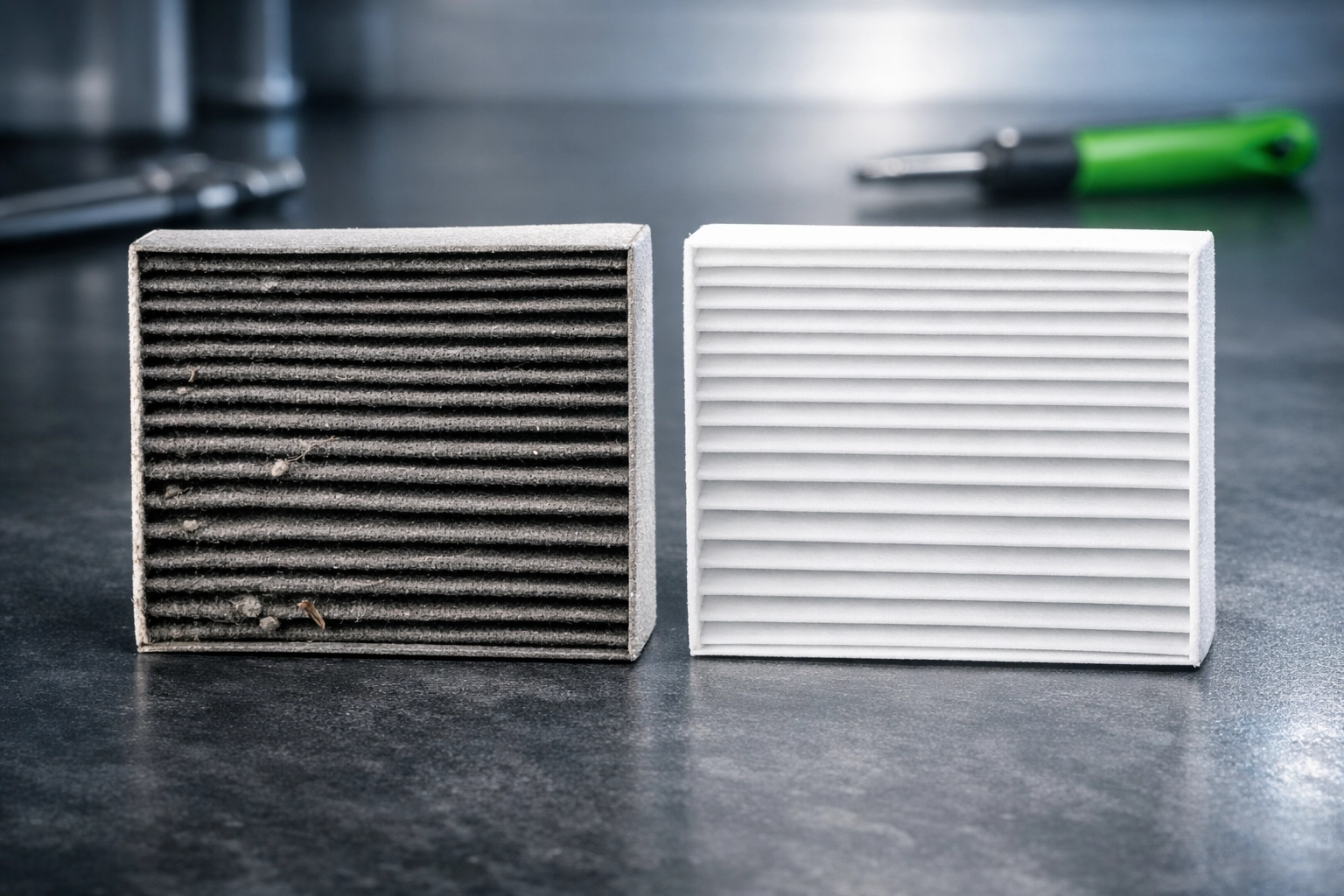
Air filters ensure your engine receives clean air for combustion, improving performance and fuel efficiency. Cabin filters clean the air inside your car, keeping you and your passengers comfortable by reducing dust, pollen, and other pollutants.

Dirty air filters force the engine to work harder, reducing efficiency and potentially causing engine damage. Cabin filters, if neglected, can cause unpleasant odors and reduce air circulation. Replacing filters regularly is a small step that makes a big difference in comfort and performance.

Inspect Your Suspension and Steering

Your suspension and steering system are vital for ride quality, handling, and tire longevity. Worn shocks, struts, or ball joints can lead to a bumpy ride, uneven tire wear, and poor handling. Steering components, if neglected, may result in decreased responsiveness or even safety hazards.

Signs you need suspension or steering attention include excessive bouncing, drifting during turns, or clunking noises over bumps. Franconia Auto Care provides expert suspension and steering inspections and repairs to ensure smooth, safe, and predictable handling.

Schedule Regular Engine Tune-Ups

Engine tune-ups may sound old-fashioned, but routine maintenance is key to keeping your car performing at its best. Spark plugs, ignition components, fuel systems, and sensors need periodic inspection and adjustment. A properly tuned engine runs efficiently, saves fuel, and reduces emissions.

Ignoring tune-ups can lead to misfires, reduced power, and higher repair costs. Franconia Auto Care’s certified technicians provide thorough engine diagnostics and tune-up services to keep your car in top shape.

Don’t Forget Heating and Air Conditioning

Alexandria experiences a wide range of temperatures, so a functioning heating and air conditioning system is essential. Heating problems in winter can compromise comfort and safety, while AC failures in summer make driving uncomfortable.

Regular checks of refrigerant levels, hoses, and electrical components help prevent sudden failures. Franconia Auto Care offers complete heating and cooling inspections, repairs, and replacements to ensure your climate control system works year-round.

Take Advantage of State Inspections and Emissions Testing

Keeping your vehicle compliant with state regulations is not just a legal requirement, it also ensures your car is safe and environmentally responsible. Franconia Auto Care provides state inspections and emissions testing with no appointment needed, making it easy for Alexandria drivers to stay compliant and avoid fines.

Regular inspections help detect potential issues before they become major problems, protecting your investment and your safety.

Plan Preventative Maintenance

Ultimately, the key to a reliable car is preventative maintenance. Create a schedule for oil changes, fluid checks, tire rotations, brake inspections, and engine tune-ups. Following this routine helps you catch minor issues early, saves money, and keeps your car running smoothly.

Franconia Auto Care offers a full suite of preventative maintenance services. With our certified technicians, upfront pricing, and commitment to customer service, you can trust that your car is in capable hands. We provide 24-hour pick-up and drop-off options, TechNet Professional Automotive Service® warranty coverage, and expert advice tailored to your vehicle.

Taking care of your car today ensures fewer breakdowns tomorrow and a smoother, safer driving experience for you and your family. Schedule your next maintenance appointment with Franconia Auto Care and experience the peace of mind that comes from working with a trusted Alexandria auto repair shop.

Mechanic inspecting car engine for winter maintenance and safety checks.

Top 5 Winter Car Maintenance Mistakes to Avoid

Winter driving in Alexandria, VA, can be challenging for both drivers and vehicles. Cold temperatures, icy roads, and unpredictable weather can put extra strain on your car. Many drivers focus on their own safety, but sometimes the biggest risks come from overlooked maintenance issues. Understanding common winter car maintenance mistakes and how to avoid them can save you time, money, and stress. 

Here are the top five winter car maintenance mistakes you should never make.

1. Neglecting Tire Maintenance

Your tires are the only part of your car that touches the road, making them critical for safety during winter months. One common mistake is not checking tire tread and pressure before cold weather hits. Low tire pressure and worn tread reduce traction, increasing your risk of slipping on icy or snowy roads.

Many drivers also ignore the benefits of winter tires. While all-season tires may seem sufficient, dedicated winter tires are designed with deeper treads and rubber compounds that remain flexible in cold temperatures. This improves braking and handling, giving you more control in adverse conditions.

Checking tire pressure is simple and should be done at least once a month during winter. Keep an eye out for uneven tread wear as well. If your tires are worn down, it’s time to replace them. Remember, your tires are your first line of defense against winter hazards.

2. Skipping Battery Inspections

Cold weather can dramatically reduce a car battery’s effectiveness. Many drivers are unaware that batteries lose a significant portion of their power in freezing temperatures. Skipping a battery check before winter is a mistake that can leave you stranded on a chilly morning.

Signs of a weak battery include slow engine cranking, dim headlights, and a dashboard warning light. Even if your battery is only a few years old, it’s wise to have it tested. Replacing a failing battery before winter sets in is far easier than dealing with an unexpected dead battery when temperatures drop.

At Franconia Auto Care, we recommend a comprehensive battery inspection as part of your winter maintenance. Our technicians can test your battery, clean terminals, and ensure your charging system is functioning correctly. A reliable battery ensures your car starts every time you need it.

3. Ignoring Fluid Levels and Quality

Fluids play a vital role in keeping your vehicle running smoothly, but winter conditions demand extra attention. Coolant, windshield washer fluid, brake fluid, and oil all need to be properly maintained for cold-weather driving.

Coolant prevents your engine from freezing, while brake fluid ensures your braking system functions reliably on slick roads. Many drivers overlook these fluids until it’s too late, risking engine damage or reduced braking performance.

Windshield washer fluid is another often-neglected item. Using summer formula fluid can freeze in cold temperatures, leaving your windshield covered in ice or snow. Switching to a winter-grade washer fluid ensures clear visibility, which is essential for safe driving.

Regularly checking and topping off all essential fluids is a simple step that can prevent major headaches. Our team at Franconia Auto Care can handle full fluid inspections and replacements quickly and efficiently.

Mechanic working on car repairs5. Overlooking Heating and Defrosting Systems

A functional heating system is not just for comfort. It is crucial for defrosting windows, keeping you safe by maintaining visibility. Many drivers fail to test their heaters, defrosters, and air conditioning systems before winter.

If your defroster isn’t working properly, ice and condensation can build up on your windshield, creating dangerous driving conditions. Clogged vents, low refrigerant, or a malfunctioning heater core can all reduce your system’s effectiveness.

Testing your heating and defrosting systems before the first cold snap ensures you won’t face foggy windows or icy windshields when temperatures drop. Franconia Auto Care provides comprehensive heating and A/C diagnostics to make sure your vehicle keeps you warm and your windows clear all winter long.

5. Skipping Routine Inspections and Preventive Maintenance

Winter is not the time to put off routine car maintenance. Suspension components, brakes, and the exhaust system all face added stress during cold, wet, and icy conditions. Failing to address minor issues before winter can turn them into costly repairs.

Brake pads and rotors should be checked regularly, as slippery roads increase the likelihood of sudden stops. Worn suspension components can affect handling on icy or uneven surfaces, making your vehicle less stable. Even exhaust leaks, which may seem minor, can become dangerous in cold weather as cars are often driven with windows closed.

A full winter inspection identifies potential problems before they impact your safety or leave you stranded. At Franconia Auto Care, our certified technicians perform thorough inspections, addressing everything from brakes to suspension, ensuring your vehicle is ready for winter.

Staying Safe This Winter

Avoiding these five common winter car maintenance mistakes can make a significant difference in your driving experience and vehicle longevity. Taking the time to inspect tires, battery, fluids, heating systems, and overall vehicle condition will help you avoid unexpected breakdowns and costly repairs.

If you want to ensure your car is winter-ready, trust the experts at Franconia Auto Care in Alexandria, VA. Our experienced technicians provide comprehensive winter inspections, diagnostics, and repairs to keep your vehicle safe and reliable throughout the season. Schedule your winter maintenance check today and drive with confidence knowing your car is prepared for whatever winter brings.

Person inspecting car battery under the hood during winter cold weather.

How to Keep Your Car Battery Healthy During Freezing Temperatures

Winter in Alexandria, Virginia, can be tough on vehicles, and your car battery is often the first component to feel the chill. Cold weather doesn’t just make mornings uncomfortable—it can also sap the power of your battery and leave you stranded on a frosty street. Understanding how to protect your battery during freezing temperatures is essential for any car owner, whether you’re commuting to work, running errands, or heading out on a weekend road trip.

Batteries naturally lose a significant portion of their cranking power as temperatures drop. For instance, a battery that works perfectly at 70 degrees Fahrenheit may lose nearly half its power when the temperature dips below 0 degrees. This means your car might struggle to start in the morning, even if the battery is only a few years old.

Understanding the impact of cold weather on batteries and taking proactive steps can save you from the inconvenience of a dead battery and the expense of an emergency tow. Here’s what every driver should know.

Why Winter Is Tough on Car Batteries

Car batteries rely on chemical reactions to produce the electricity needed to start your engine. These reactions slow down as the temperature drops, making it harder for your battery to generate sufficient power. In addition, winter puts extra strain on your vehicle: heaters, defrosters, heated seats, and lights all demand more from your battery.

Another factor is that cold weather thickens engine oil, increasing the resistance the starter motor faces. This combination of a weaker battery and a more demanding engine can result in slow cranking or a car that won’t start at all. Batteries nearing the end of their lifespan are particularly vulnerable.

Signs your battery might be struggling include:

  • Slow engine crank when turning the key
  • Dimming headlights
  • Electrical accessories that don’t operate as smoothly
  • A check engine or battery warning light

If you notice any of these issues, it’s a good idea to have your battery tested before the cold weather worsens.

Steps to Keep Your Battery Healthy

1. Check Your Battery’s Age and Condition

Most car batteries last between three and five years. If your battery is approaching this range, it may not have the capacity to handle severe winter conditions. Inspect the battery for visible damage, such as corrosion on terminals or cracks in the casing. Even minor corrosion can reduce efficiency, so clean the terminals using a mixture of baking soda and water or a commercial battery cleaner. Make sure connections are tight and free of debris.

2. Keep Your Battery Fully Charged

A fully charged battery is less likely to freeze and is more capable of providing the necessary power to start your vehicle. If your car is used infrequently, consider using a battery maintainer or trickle charger to keep it at optimal charge. Avoid short trips that don’t give your alternator enough time to recharge the battery, as this can gradually weaken it over time.

3. Limit Electrical Load Before Starting

Before turning the key on a cold morning, turn off unnecessary electrical accessories like the radio, heater fan, and lights. This ensures the maximum amount of battery power goes to starting the engine. Once the car is running and warmed up, you can safely turn everything back on.

4. Keep Your Car Warm When Possible

Whenever feasible, park your car in a garage or sheltered area. Even a basic carport can reduce exposure to extreme cold. If you don’t have covered parking, using an engine block heater or battery warmer can make a big difference. These devices keep the battery and engine oil warmer, making it easier to start your car and reducing the strain on your battery.

5. Inspect the Charging System

Your battery works hand-in-hand with your alternator. If your charging system isn’t functioning properly, your battery may not maintain a full charge, especially in winter. Have a trusted mechanic perform a charging system inspection to ensure your alternator, voltage regulator, and related components are all in good working order. Franconia Auto Care offers comprehensive checks to keep your car ready for cold weather.

Expert mechanic checking car's battery using diagnostic tools

6. Avoid Extreme Temperature Swings

Rapidly changing temperatures can put stress on your battery. If you park outdoors during the day and move the car to a heated garage at night, allow the vehicle to stabilize before starting. Sudden warming of a frozen battery can cause condensation inside the casing, which may lead to corrosion or electrical shorts.

7. Carry Emergency Equipment

Even with proper maintenance, batteries can fail. Keep jumper cables, a portable jump starter, and a set of gloves in your car during winter. Knowing how to jump-start a battery safely can save time and prevent a frustrating morning delay.

8. Know When to Replace Your Battery

No matter how well you maintain it, a battery has a finite lifespan. If your battery is more than five years old or consistently shows signs of weakness, replacement is the safest choice. Replacing your battery before it fails during a cold snap can prevent inconvenience, costly towing, and potential safety hazards.

How Franconia Auto Care Can Help

At Franconia Auto Care, our team of certified technicians in Alexandria, VA, has extensive experience keeping cars ready for winter. We offer thorough battery inspections, charging system diagnostics, and replacement services. Our goal is to ensure your car starts reliably, even during the harshest cold snaps.

We can also provide advice on the best winter maintenance practices for your specific vehicle, including proper battery selection, care tips, and preventative checks. 

If you want to make sure your battery and charging system are ready for winter, schedule a visit with Franconia Auto Care today. Our certified technicians provide fast, reliable service with upfront pricing and a commitment to your satisfaction. Don’t wait for the first icy morning to find out your battery is struggling—take action now and drive confidently all winter long.

Engine repair and maintenance services for reliable vehicle performance in Alexandria, VA.

Franconia Auto Care: Premier Automotive Repair Shop in Alexandria, VA

When your car starts making that unusual noise or the check engine light suddenly illuminates, finding a reliable auto repair shop becomes a top priority. For residents of Alexandria, VA, Franconia Auto Care stands out as the premier destination for auto repair and maintenance. 

In this comprehensive guide, you’ll learn why this trusted mechanic shop is the top choice for keeping your vehicle in optimal condition.

The Essence of Quality Auto Repair in Alexandria, VA

Living in Alexandria means dealing with diverse weather conditions and traffic patterns that can affect your car’s performance. That’s where Franconia Auto Care comes in, offering expertise to handle any automotive challenge.

Understanding Local Driving Conditions

Alexandria’s roads are a mix of urban streets and scenic routes, each presenting unique challenges. Whether it’s the stop-and-go traffic of the city or the serene drives through nearby parks, your vehicle needs to be in top shape. Imagine navigating the bustling King Street during rush hour; your vehicle’s brakes, transmission, and cooling systems need to be in excellent condition to ensure a smooth ride.

The Impact of Seasonal Changes

Virginia’s climate varies significantly throughout the year. From hot summers to snowy winters, each season brings different stresses to your vehicle. Franconia Auto Care understands these local conditions and tailors its services to meet the seasonal demands on your car. For instance, the sweltering summer heat can cause your car’s engine to overheat if the cooling system isn’t in top form. Conversely, during winter, the freezing temperatures can affect your battery performance and tire pressure.

Comprehensive Services Offered

Franconia Auto Care isn’t just another garage; it’s a full-service auto repair shop that offers a wide range of services to keep your vehicle running smoothly.

Routine Maintenance

Regular maintenance is key to extending the life of your vehicle. At Franconia Auto Care, you can schedule oil changes, tire rotations, and fluid checks to keep your car in peak condition.

Oil Changes and Why They Matter

Changing your oil regularly is crucial for engine health. The experts at Franconia Auto Care use high-quality oil and filters to ensure your engine runs smoothly and efficiently. Think of oil as your engine’s lifeblood; without regular changes, sludge and debris can accumulate, causing engine damage. Routine oil changes can range from $30 to $100, depending on the type of oil used.

Tire Services for Optimal Performance

Proper tire maintenance, including rotations and alignments, helps improve fuel efficiency and safety. Trust the team at Franconia Auto Care to keep your tires road-ready. Imagine your tires like your shoes; without proper care and alignment, they wear unevenly and can lead to discomfort or even danger. Regular tire maintenance can cost between $20 for rotations to $100 for alignments, depending on your vehicle type.

Advanced Diagnostics and Repairs

When your vehicle experiences issues beyond routine maintenance, Franconia Auto Care offers advanced diagnostic tools and repair services to tackle any problem.

Check Engine Light and Diagnostics

A check engine light can be a source of stress, but the skilled technicians at Franconia Auto Care can quickly identify and resolve the issue, getting you back on the road with peace of mind. The check engine light is like your vehicle’s way of waving a red flag; it’s your cue to have a professional assess the problem before it escalates, potentially saving you from costly repairs down the line.

Engine and Transmission Repairs

Major repairs like engine and transmission work require expertise and precision. Franconia Auto Care’s experienced staff can handle these complex repairs with confidence and care. Imagine your engine as the heart of your car; any malfunction can significantly impact performance and safety. Costs for such repairs can vary widely, from $1,000 for minor issues to over $5,000 for major overhauls.

The Trusted Mechanic in Alexandria

What sets Franconia Auto Care apart is its commitment to customer satisfaction and transparency, making it the trusted mechanic shop in Alexandria.

Customer-Centric Approach

Every customer at Franconia Auto Care is treated with respect and honesty. The staff takes the time to explain repairs and maintenance needs, ensuring you feel informed and confident in your vehicle care decisions. Consider the experience akin to visiting a doctor who explains your health condition in layman’s terms, ensuring you completely understand your treatment plan.

Transparent Pricing

Unexpected repair costs can be daunting, but Franconia Auto Care is committed to providing transparent pricing and detailed estimates before any work begins, so there are no surprises. This transparency builds trust, which is vital in an industry where repair costs can often feel unpredictable.

Why Choose Franconia Auto Care?

Selecting the right auto repair shop can be challenging, but Franconia Auto Care makes the decision easy with its proven track record and dedicated service.

Experienced and Certified Technicians

The team at Franconia Auto Care consists of experienced and certified technicians who stay updated on the latest automotive technologies and repair techniques. Think of them as the automotive equivalent of seasoned chefs who know how to prepare your favorite dish to perfection, even with the latest culinary techniques.

Community Engagement and Loyalty

Franconia Auto Care isn’t just a business; it’s a part of the Alexandria community. Their involvement in local events and commitment to customer loyalty programs reflect their dedication to serving the community. This relationship with the community is like that of a long-time neighbor who you can always rely on in times of need.

Seasonal Tips for Car Maintenance

To keep your car in top shape throughout the year, consider these seasonal maintenance tips from the experts at Franconia Auto Care.

Summer Car Care

The summer heat can be tough on your vehicle. Ensure your cooling system is in good shape and check your tires for proper inflation to avoid blowouts. Regularly inspect your air conditioning system to ensure it’s working efficiently, much like checking your home’s HVAC system before a heatwave strikes.

Winter Preparations

Before winter hits, check your battery and replace wiper blades to handle the snow and ice. Franconia Auto Care can help prepare your vehicle for the colder months. Think of it as equipping your home with insulation and storm windows to withstand the harsh winter elements.

Contact Franconia Auto Care Today

Ready to experience the best auto repair in Alexandria, VA? Visit Franconia Auto Care at 6134 Franconia Road or call to schedule your next service appointment. Let their expert team take care of your vehicle’s needs, ensuring you drive with confidence and peace of mind.

Top Warning Signs That Your Car Needs Immediate Repairs – Part 2

Owning a car is much like taking care of a living organism. It requires regular maintenance and attention to ensure it functions optimally. Part of that responsibility is recognizing when your vehicle needs professional care. Ignoring warning signs can lead not only to costly repairs but also to potentially dangerous situations on the road. 

In this guide, we’ll walk you through the top warning signs that indicate your car needs immediate repairs. You’ll learn how to identify these signs, understand what they mean, and know when it’s time to take your vehicle to a trusted service center like Franconia Auto Care in Alexandria, VA.

Unusual Noises: The Symphony of Trouble

Clanking and Knocking Sounds

Imagine your car’s engine as a symphony orchestra. Each component plays a role in harmony. When you hear clanking or knocking noises, it’s as if a musician is offbeat, disrupting the performance. These noises often signal trouble with the engine’s moving parts, such as worn bearings or a failing crankshaft. Just as a conductor would stop the music to fix the issue, you need to address these sounds promptly. Ignoring them can lead to severe engine damage, similar to how a neglected instrument can fall apart.

The cost of repairing engine components can range significantly, from a few hundred dollars for minor repairs to thousands for major overhauls. Regular oil changes and using high-quality engine oil can help prevent wear and tear on these parts.

Squealing or Grinding Brakes

Think of your brakes as the shoes your car wears to stop its dance on the road. When they start squealing, it’s like the soles are wearing thin, needing replacement. If you hear grinding, it indicates metal-on-metal contact, which is far more serious, akin to walking barefoot on rough terrain. On Alexandria’s busy roads, ensuring your brakes are in top condition is crucial for safety.

Replacing brake pads typically costs between $100 and $300 per axle, while rotor replacements can add to the expense. Regularly checking your brake pads for wear and ensuring your brake fluid is at the proper level can help avoid these issues.

Dashboard Warning Lights: Your Car’s SOS Signals

Check Engine Light

A lit check engine light is your car’s equivalent of a text message saying, “I need help.” It can indicate a wide range of issues—from something as trivial as a loose gas cap to more serious problems like a failing catalytic converter. Much like visiting a doctor when you feel unwell, a diagnostic test at Franconia Auto Care can pinpoint the exact issue.

Ignoring this light can lead to increased repair costs down the line. Diagnostic tests typically cost around $50 to $100, but addressing the problem early can prevent more expensive repairs.

Other Dashboard Alerts

Other warning lights, such as the oil pressure warning, battery alert, or temperature ligh,t are like different colored flags signaling specific issues that need addressing. For instance, an oil pressure light might mean your car is running low on oil, which can lead to engine damage if neglected. Regularly checking your oil level and changing it every 3,000 to 5,000 miles can prevent such issues.

Poor Performance: When Your Car Feels Off

Sluggish Acceleration

If your car feels sluggish during acceleration, it’s similar to an athlete running with a weight tied to their back. This can be due to a clogged fuel filter, a failing fuel pump, or even transmission problems. In the hustle and bustle of Alexandria, a car that doesn’t respond promptly is not just inconvenient but also unsafe.

Repairing these issues can range from $150 for a new fuel filter to over $1,000 for transmission repairs. Regular maintenance, such as changing fuel filters and ensuring your transmission fluid is clean, can keep your car’s performance at its peak.

Decreased Fuel Efficiency

A sudden drop in fuel efficiency is akin to unexpectedly gaining weight despite a consistent diet. It might signal a malfunctioning oxygen sensor or a dirty air filter, both of which can affect your car’s performance and lead to more significant problems if not fixed promptly.

Replacing an oxygen sensor costs around $150 to $500, but ensuring your air filter is clean and replacing it as needed (usually every 12,000 to 15,000 miles) can help maintain your car’s efficiency.

Fluid Leaks: The Telltale Puddles

Oil Leaks

Spotting oil stains on your driveway is like noticing blood stains on your shirt—it’s a sign that something is amiss. Oil leaks can stem from a variety of issues, from a damaged oil pan to worn-out seals. Addressing these leaks is crucial to prevent engine damage.

Repair costs for oil leaks vary greatly, from $150 for a simple fix to over $1,000 for more complex repairs. Regularly checking your oil level and inspecting your car for leaks can help catch issues early.

Coolant Leaks

If you notice green, orange, or pink puddles under your car, it might have a coolant leak. This can lead to overheating, which is a severe issue, especially in the summer heat of Virginia. Immediate repair is necessary to avoid engine damage, much like how staying hydrated is crucial for your body to function properly.

Fixing a coolant leak can cost between $100 and $900, depending on the source of the leak. Regularly checking your coolant level and inspecting hoses for wear can help prevent leaks.

Smoke and Smells: When Senses Alert

Exhaust Smoke

Different colors of exhaust smoke can indicate various issues, much like how different symptoms can suggest different illnesses. Blue smoke usually means oil is burning, while white smoke might indicate a coolant leak. Black smoke can suggest the engine is burning too much fuel. Each scenario requires a professional diagnosis.

Addressing these issues can cost anywhere from a few hundred to several thousand dollars, depending on the severity. Regular engine checks and ensuring your car passes emissions tests can prevent these problems.

Strange Odors

Unusual smells, such as burning rubber or sweet syrup, should not be ignored. These odors often indicate problems like a slipping belt or a leaking radiator. In either case, a visit to Franconia Auto Care is warranted, much like seeing a specialist when something unusual occurs with your health.

Replacing belts typically costs between $100 and $200, while fixing radiator issues can be more expensive. Regular inspections and replacing belts as recommended can help prevent these problems.

Trouble Starting: The Reluctant Engine

Slow Crank

If your car is slow to start, it might be due to a weak battery, faulty starter, or alternator issues. Given the importance of reliable transportation in Alexandria, addressing starting problems promptly is essential, like ensuring your phone is charged before heading out.

Battery replacements usually cost between $50 and $200, while alternator repairs can range from $300 to $700. Regular battery checks and ensuring your electrical system is functioning properly can prevent starting issues.

Frequent Stalling

Frequent stalling can be both dangerous and frustrating. It might indicate problems with the fuel system, ignition system, or even the engine control unit. Professional diagnostics are needed to identify and fix the underlying issue, much like how a comprehensive medical examination can uncover the root of persistent symptoms.

Repair costs vary widely, but regular maintenance and addressing issues as soon as they arise can help prevent frequent stalling.

Vibrations and Shaking: When the Ride Gets Rough

Steering Wheel Vibrations

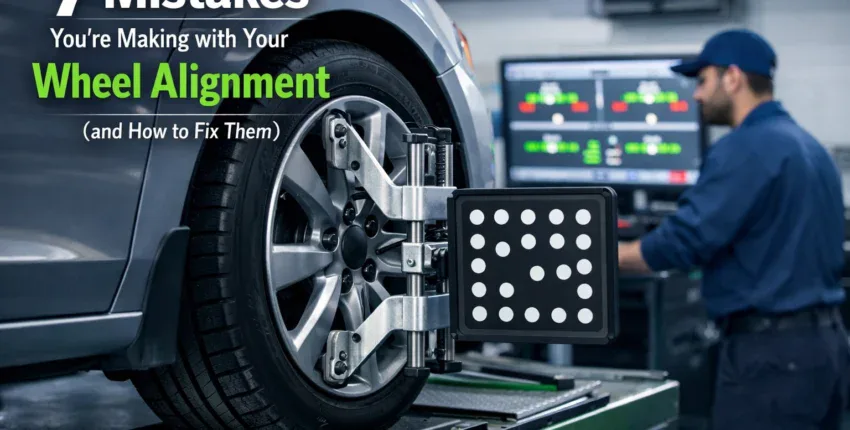
If your steering wheel vibrates while driving, it’s as if your car is trying to communicate an imbalance. This could be due to unbalanced tires, misaligned wheels, or worn suspension components. Regular wheel alignments and checks can prevent these issues from escalating, much like how regular check-ups can prevent health issues.

Alignments typically cost between $75 and $100, while balancing tires is often less expensive. Ensuring your tires are properly inflated and checking for wear can help maintain a smooth ride.

Overall Car Shaking

When your entire vehicle shakes, particularly at higher speeds, it could be due to similar issues as steering wheel vibrations or even more severe suspension problems. Immediate inspection is crucial for safety and comfort, akin to seeking medical advice for persistent dizziness.

Repair costs can vary, but regular suspension checks and addressing issues as they arise can prevent more serious problems.

Your car is a complex machine that communicates its needs through various signs. Ignoring these signals can lead to costly repairs and unsafe driving conditions. If you notice any of these warning signs, don’t wait. Contact Franconia Auto Care at 6134 Franconia Road, Alexandria, Virginia 22310, for expert diagnostics and repairs. 

Keeping your vehicle in good condition ensures your safety and the safety of others on the road. Schedule your appointment today and drive with confidence.