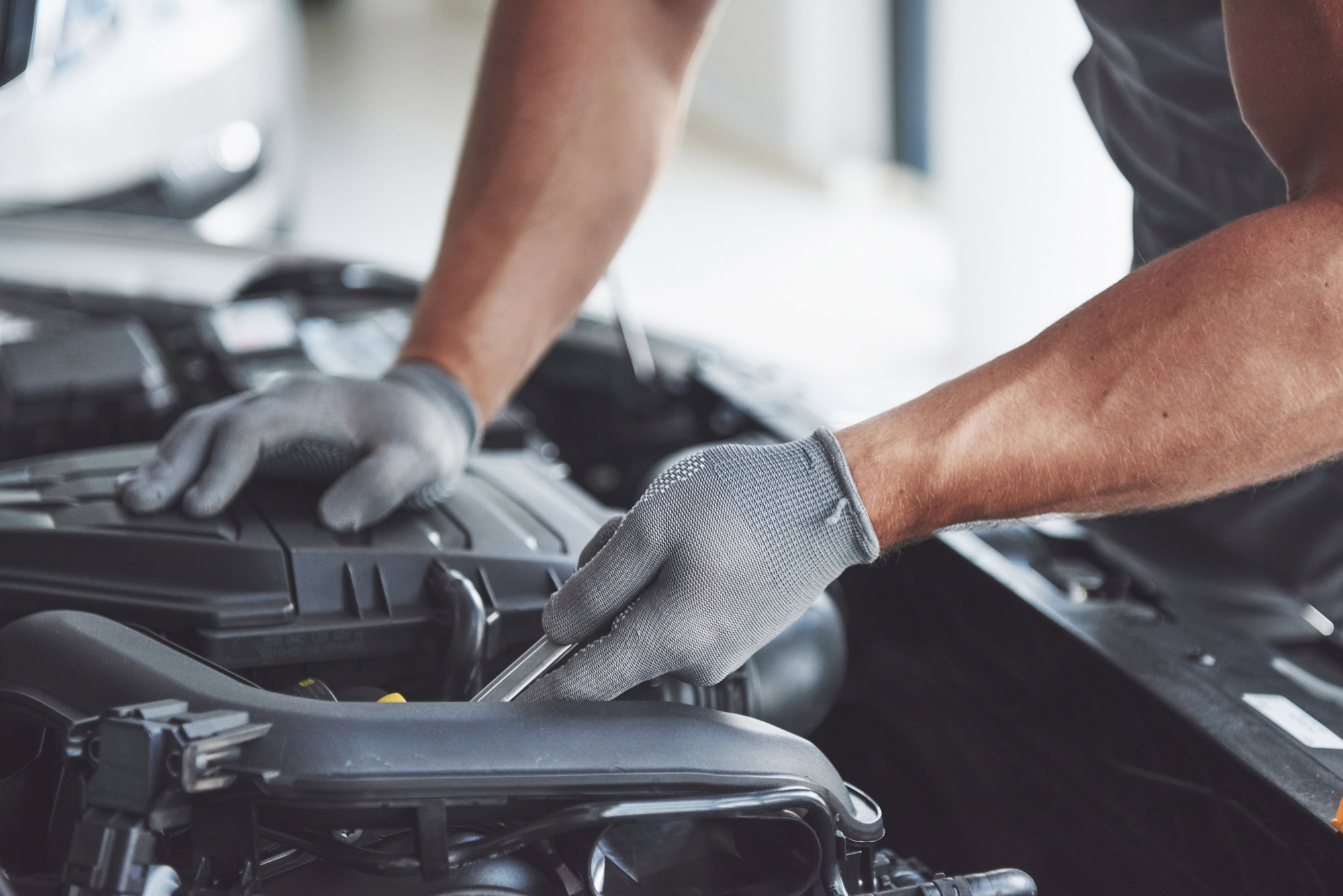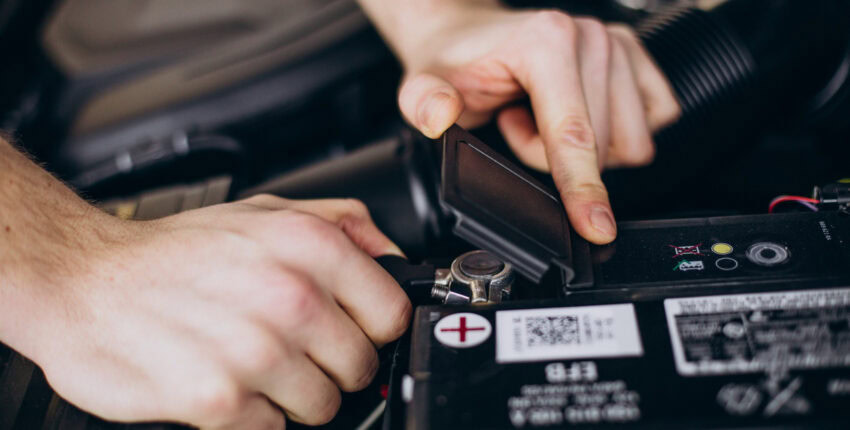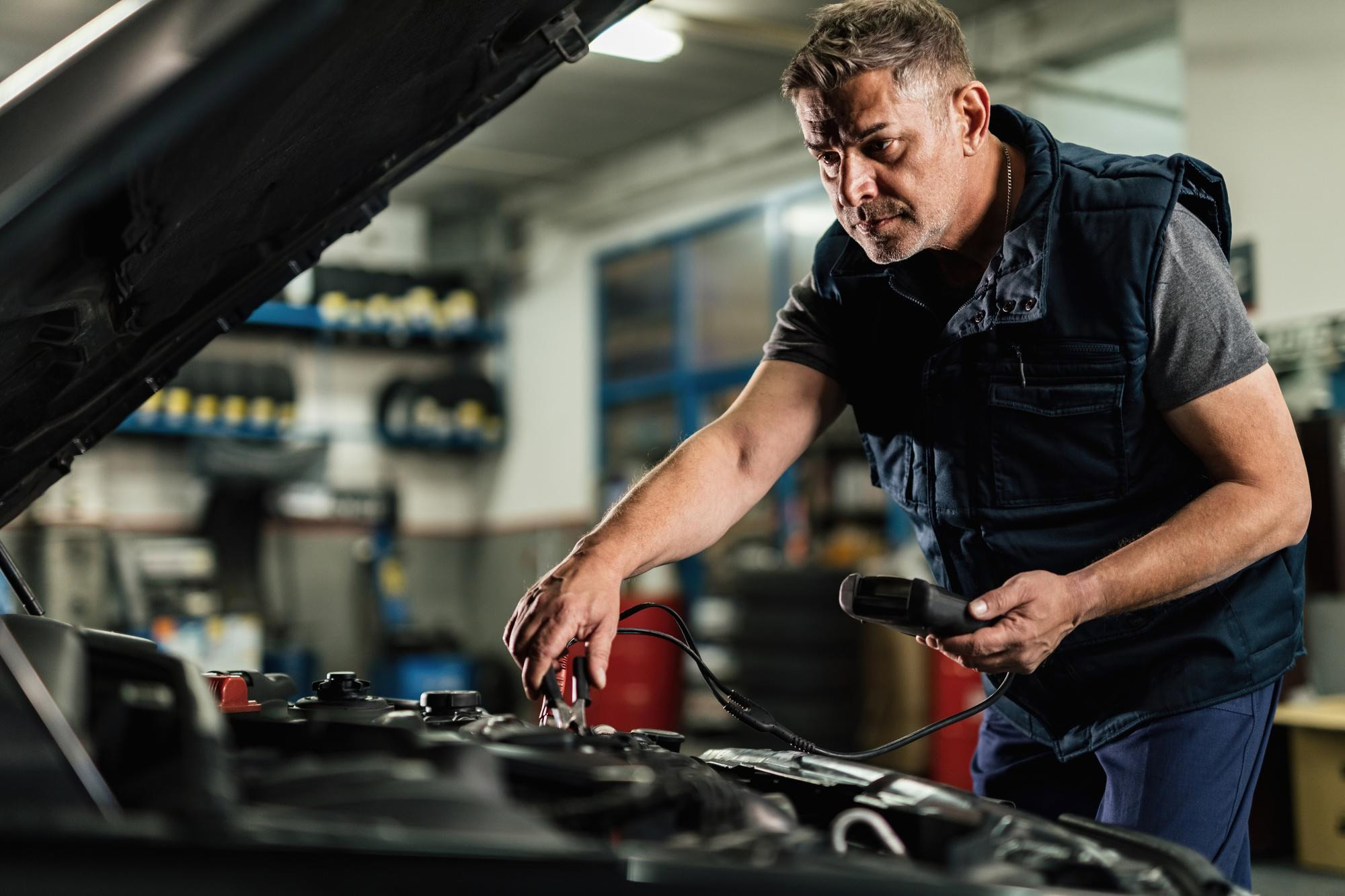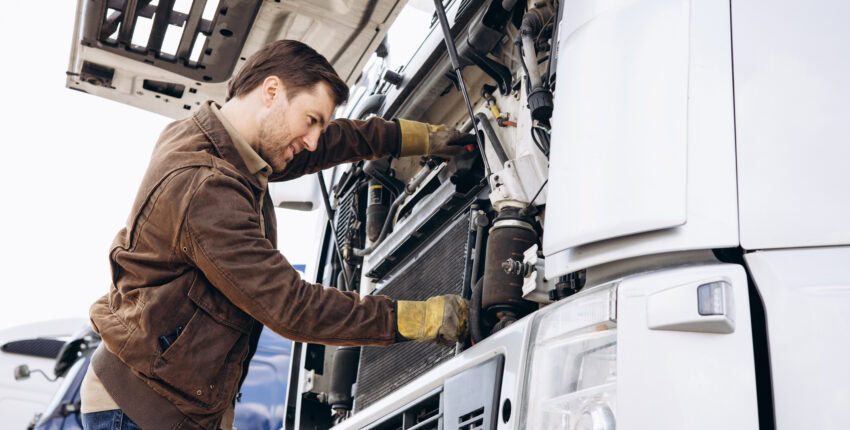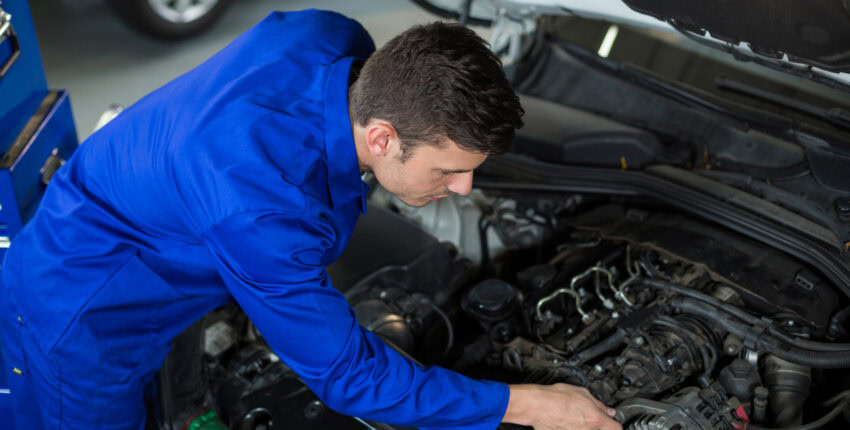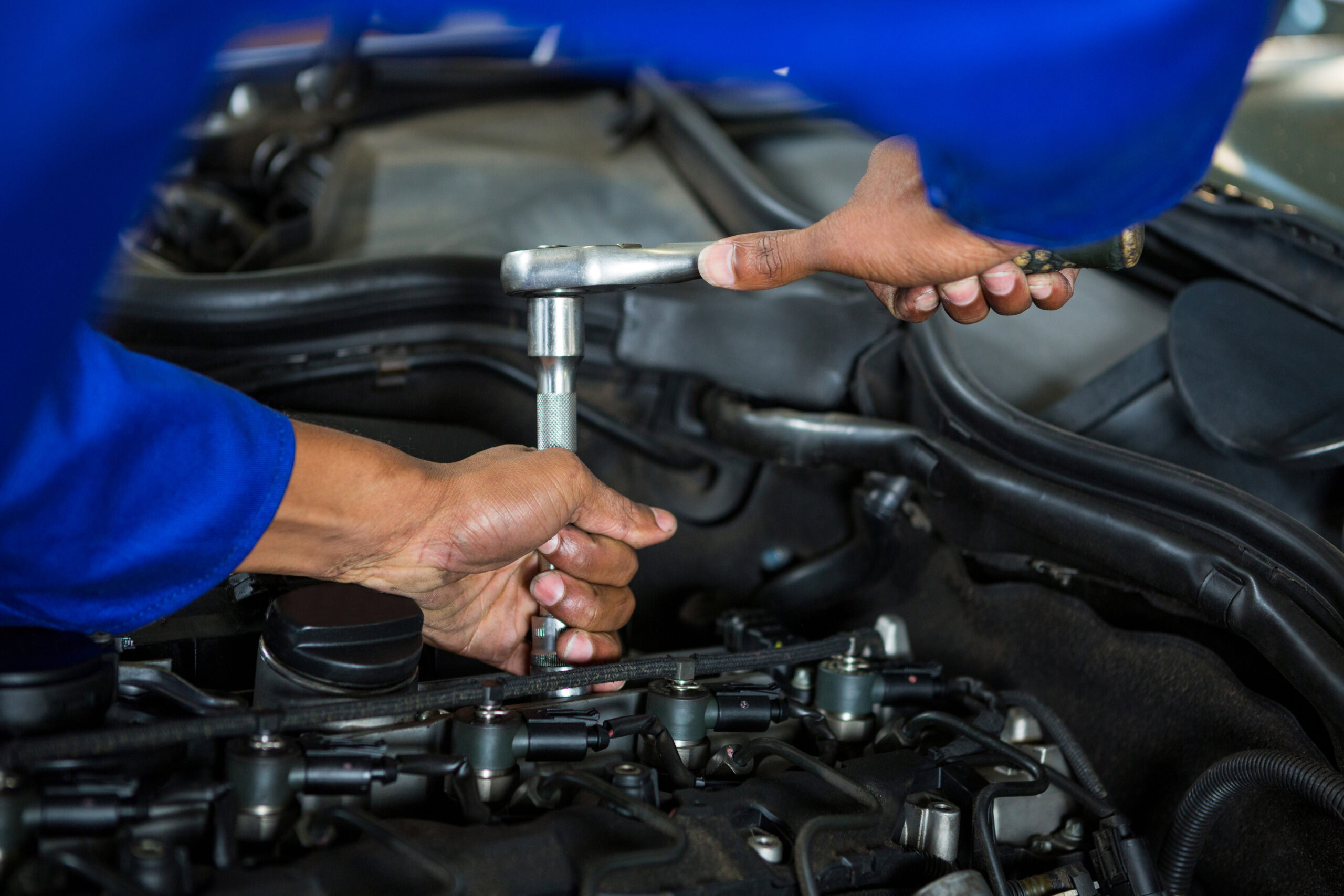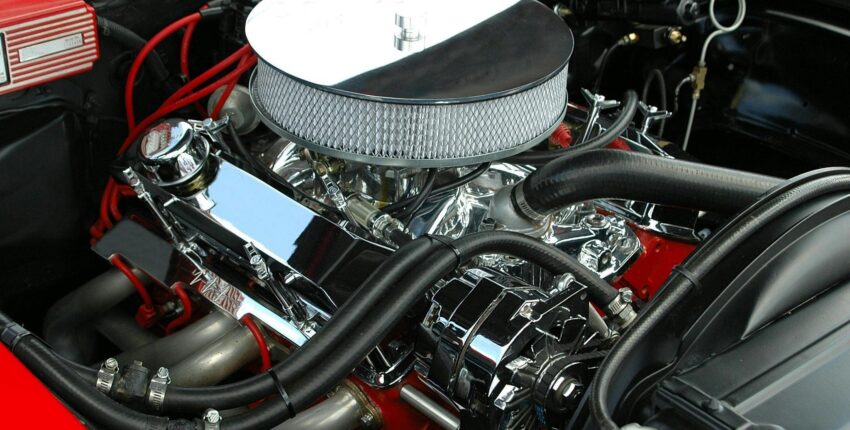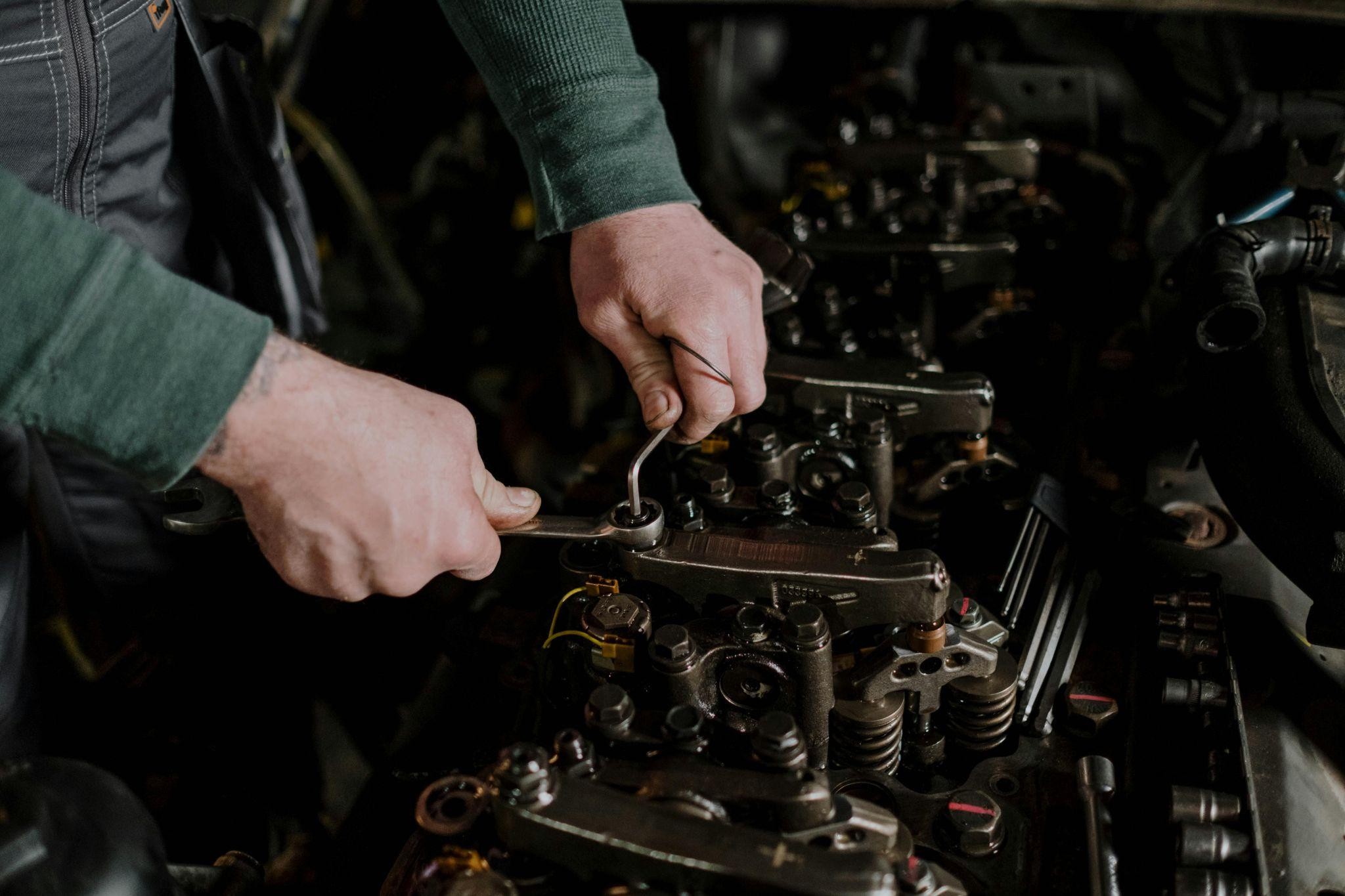
Car dashboard with airflow indicating heating system in winter preparation.

How to Ensure Your Vehicle’s Heating System Is Ready for Winter

When winter rolls around in Alexandria, VA, there’s nothing quite like sliding into a warm car after facing chilly winds and frozen sidewalks. But here’s the thing—your car’s heating system isn’t just about comfort. It’s also a key component in defrosting your windshield, maintaining visibility, and ensuring your engine stays running at optimal temperature in colder conditions. So, before the temperatures really drop, let’s talk about winter car maintenance and how to ensure your vehicle heating system is truly ready for the season.

At Franconia Auto Care, we’ve seen firsthand what can happen when winter prep gets ignored. From frozen radiators to foggy windshields that won’t clear, the list goes on. But the good news? It doesn’t take much to get ahead of these issues with a few proactive steps.

What Makes the Vehicle Heating System Work?

First, let’s break down the basics. Your vehicle heating system isn’t separate from your engine’s cooling system. In fact, it depends on it.

Here’s how it works: Your engine generates heat as it runs. Coolant (a mix of water and antifreeze) absorbs that heat and cycles it through the radiator to keep your engine from overheating. A small portion of that hot coolant is diverted into the heater core—a mini radiator located behind your dashboard. A fan then blows air over the heater core and into your cabin, warming it up.

If any part of that system fails—whether it’s low coolant, a clogged heater core, or a broken thermostat—you’ll either get weak heat or none at all.

cold-weather-car-heating-check

Signs Your Heating System Needs Attention

Getting ahead of winter car maintenance means recognizing early signs of trouble. Watch out for:

  • Weak or no airflow even when the fan is on full blast
  • Only cold air blowing, even after the engine warms up
  • A sweet smell inside your car (often a sign of a coolant leak)
  • Foggy windows that take forever to defrost
  • Coolant levels dropping with no visible leak under the car
  • Unusual engine temperature readings

These symptoms are your car’s way of waving a red flag. Don’t wait until you’re shivering at a stoplight or scraping ice with frozen fingers—schedule a checkup as soon as you spot them.

Step-by-Step Guide to Preparing Your Heating System for Winter

Let’s dive into some practical steps you can take right now to prepare your heating system for winter.

1. Check Your Coolant Levels and Condition

Coolant (also known as antifreeze) is the lifeblood of both your engine’s cooling and heating systems. Pop the hood and check the reservoir—coolant should be between the minimum and maximum lines. If it’s low, top it off with the correct mix of coolant and distilled water (usually a 50/50 mix, but your owner’s manual will confirm).

If the fluid looks rusty or murky, it’s time for a flush. Old coolant can corrode internal parts, leading to leaks and clogs—both enemies of warm cabins and clear windshields.

2. Inspect the Thermostat

The thermostat regulates your engine’s temperature by controlling the flow of coolant. If it sticks open, your engine (and therefore your heater) may never reach full operating temperature. If it sticks closed, the engine can overheat.

A faulty thermostat can quietly ruin your winter driving experience. If you notice your engine takes forever to warm up or never reaches the normal temperature range, bring it in for a test.

3. Evaluate Heater Core Performance

The heater core is like the radiator’s cousin. It’s small but mighty, and if it’s clogged, you’ll get poor heating and possibly a wet floor from coolant leaks.

Fixing or replacing a heater core can be a complex job, so it’s best to have it checked by professionals like our team at Franconia Auto Care. We’ll pressure test the system and run diagnostics to make sure your core is functioning like it should.

4. Inspect Blower Motor and Fan

You might have hot coolant flowing just fine, but without a functioning fan to blow air over the heater core, that warmth won’t reach your cabin. If your fan only works on certain settings or not at all, it may be a blown resistor, faulty motor, or even a bad switch.

This is a relatively quick repair for a trained tech, and it can make the difference between bundled misery and toasty comfort.

5. Check and Replace the Cabin Air Filter

A clogged cabin air filter can reduce airflow through your vents, making your heater work harder and less efficiently. It can also trap musty smells and allergens, which nobody wants swirling through their car in the dead of winter.

Most manufacturers recommend replacing this filter every 15,000–30,000 miles. It’s inexpensive and makes a big difference in cabin comfort.

6. Test the Defroster and Rear Window Heater

Your front defroster uses the heating system to clear up the windshield, while your rear defroster usually relies on electric heating elements. If either isn’t working properly, visibility becomes a serious safety concern.

Run both systems and check how quickly they respond. If your rear defroster lines are damaged or your front vents aren’t clearing condensation or frost effectively, it’s time for a visit to the shop.

7. Check for Coolant Leaks

Leaks can be sneaky—sometimes the only clue is the faint smell of antifreeze in the cabin or a slowly disappearing reservoir level. Small leaks left unchecked can lead to major engine damage and a suddenly cold car.

At Franconia Auto Care, we use specialized tools to pressurize your system and pinpoint even the smallest leaks before they become big headaches.

8. Flush the Cooling System (If Needed)

Over time, your coolant breaks down and loses its anti-corrosion properties. Old coolant can cause sludge buildup, block passages in the heater core, and lead to overheating or poor cabin heat.

If it’s been a couple of years (or about 30,000–60,000 miles), it’s probably time for a flush. Our technicians will safely remove the old coolant, clean the system, and refill it with fresh fluid that meets manufacturer specs.

Why Winter Car Maintenance Matters

Winter weather can be harsh on vehicles, especially if they’re not prepared. Neglecting your heating system doesn’t just make drives uncomfortable—it can impact visibility, engine performance, and even your safety on the road.

A well-functioning heating system:

  • Keeps your windshield and windows clear
  • Provides comfort for you and your passengers
  • Prevents engine damage due to cold-related issues
  • Protects your vehicle’s internal components from corrosion and overheating

And remember, vehicle heating system problems often come with other warning signs—like overheating or a sweet smell. So when you tackle winter prep, you’re not just staying warm, you’re proactively protecting your car’s health.

coolant-leak-steam-engine-bay

Get Your Car Ready Before the First Frost

You wouldn’t head out into the snow without a coat—so don’t send your vehicle into winter without a checkup. At Franconia Auto Care, we’re here to make sure your heating system is ready to handle everything the Alexandria winter throws at it.

Our skilled, responsive, and reliable technicians will perform a complete heating and cooling system inspection, diagnose any issues, and make sure you’re set for the season. As a TechNet Professional Automotive Service® center, all qualifying repairs are backed by our 24-month/24,000-mile nationwide warranty—so you can drive with confidence, even far from home.

Whether you need a coolant flush, thermostat replacement, or just peace of mind, schedule your winter readiness check at Franconia Auto Care today. Give us a call or stop by our shop on Franconia Road—we’re here to help you stay warm, safe, and worry-free all season long.

Brake system check and maintenance for vehicle safety.

Top Signs Your Vehicle Needs Brake Repairs and How to Address Them

When it comes to your safety on the road, few components of your vehicle are as crucial as your brakes. They’re your first line of defense in emergencies, help you navigate daily traffic, and keep you and your passengers safe every time you drive. So, when your brakes start acting up, it’s not something you can afford to ignore.

But how do you know if your brakes are crying out for help? In this guide, we’ll cover the top signs your vehicle needs brake repairs, why they happen, and what you should do about them. Whether you’re hearing strange sounds or your car isn’t stopping like it used to, we’ve got you covered.

Brake system check and maintenance for vehicle safety.

1. Squeaking or Squealing Noises

What it sounds like: A high-pitched screech or squeal when you press the brake pedal.

What it means: This is often one of the first indicators that your brake pads are wearing thin. Most brake pads have a small metal shim—called a wear indicator—that makes a squealing noise to let you know it’s time to replace them.

What to do: Don’t ignore this noise. It’s a warning system designed to protect you. If caught early, replacing brake pads is a relatively inexpensive fix.

2. Grinding Sounds

What it sounds like: A harsh grinding or growling noise when braking.

What it means: If you hear grinding, chances are your brake pads have completely worn down, and the metal part of the brake is now rubbing directly against the rotor. This can cause serious damage to your braking system.

What to do: Head to a repair shop immediately. Continuing to drive with metal-on-metal contact will not only reduce your stopping power but also lead to costly rotor or caliper repairs.

3. Vibrations or Pulsing Brake Pedal

What it feels like: A shaky steering wheel or vibrating brake pedal when stopping.

What it means: This typically points to warped rotors. Rotors are the large discs your brake pads clamp onto to stop the wheels. Over time, excessive heat or uneven wear can cause them to warp, leading to vibration.

What to do: Have your brake system inspected. Warped rotors can sometimes be resurfaced, but if they’re too worn, they’ll need replacing.

4. Longer Stopping Distances

What it feels like: Your car takes longer than usual to come to a full stop.

What it means: This is a major red flag. It could be worn brake pads, low brake fluid, air in the brake lines, or a brake system leak. Any of these issues will reduce your braking effectiveness—and your safety.

What to do: Get your vehicle inspected right away. A delay in stopping could mean the difference between avoiding an accident and being in one.

5. Spongy or Soft Brake Pedal

What it feels like: Your brake pedal feels soft, spongy, or sinks to the floor.

What it means: Air or moisture might have entered the brake lines, or you might have a leak in the braking system. Brake fluid is hydraulic, which means any loss of pressure seriously compromises how well your brakes function.

What to do: This requires immediate attention. A professional technician can bleed the brake lines, check for leaks, and restore the brake pressure.

Brake system inspection for vehicle safety and brake repair needs.

6. Dashboard Warning Light

What it looks like: A brake light or ABS (anti-lock braking system) light on your dashboard.

What it means: Your car is equipped with sensors that alert you to potential brake system issues. If this light is on, something is off. It could be as simple as low brake fluid or as complex as a sensor or ABS system malfunction.

What to do: Don’t ignore dashboard lights. Even if your car “feels” fine, these alerts are your car’s way of telling you a problem is coming—or already here.

7. Burning Smell When Braking

What it smells like: A sharp, chemical odor after hard braking or going downhill.

What it means: Overheated brakes. This can happen if you’ve been riding the brakes for an extended period, especially when descending hills. The smell might also indicate that the brake caliper is stuck.

What to do: Pull over and let the brakes cool down. If the smell persists or you see smoke, it’s time to visit a repair shop immediately.

8. Car Pulls to One Side

What it feels like: Your vehicle veers to the left or right when braking.

What it means: This could indicate uneven brake pad wear, a stuck caliper, or a problem with the brake fluid distribution. In some cases, it could also be an alignment issue—but it’s best to start with the brakes.

What to do: Have a technician check your brake system for caliper or fluid issues, and rotate or replace pads if needed.Lorem ipsum dolor sit amet, consectetur adipiscing elit. Ut elit tellus, luctus nec ullamcorper mattis, pulvinar dapibus leo.

9. Leaking Brake Fluid

What it looks like: A clear to yellowish fluid pooling under your car near the wheels or beneath the master cylinder.

What it means: Brake fluid leaks are dangerous. The fluid is essential for creating the pressure that activates your brakes. Without it, your brakes might fail completely.

What to do: Call a professional right away. Leaks need to be located and repaired, and the brake system flushed and refilled.

10. Unusual Brake Pedal Behavior

What it feels like: Any change in how your brake pedal responds—like feeling harder, lower, or more resistant than usual.

What it means: This could indicate problems with the brake booster, master cylinder, or air/hydraulic issues within the system.

What to do: If something feels “off” with your pedal, don’t wait for it to get worse. Get it checked immediately to avoid further damage or unsafe driving conditions.

Auto repair shop lifting vehicle for brake system maintenance and diagnostics.

How to Address Brake Issues Before They Get Worse

The good news? Most brake issues start small—and if you act early, repairs are usually quick and affordable. Here are a few tips to stay on top of your braking system:

  • Schedule regular inspections: Your brakes should be inspected at least once a year, or every 12,000 miles.
  • Listen and feel for changes: You drive your car every day—so you’ll know when something feels different. Don’t ignore your instincts.
  • Don’t delay repairs: Catching brake problems early can prevent bigger, more expensive repairs down the road.

Use a trusted repair shop: Brake service is not the place to cut corners. Choose a shop with experienced, certified technicians you can trust.


Trust Franconia Auto Care for Brake Repairs in Alexandria, VA

When it comes to keeping your vehicle safe, Franconia Auto Care has your back. Conveniently located on Franconia Road, we’re proud to serve drivers in Alexandria with expert brake service and repairs. Our team of skilled technicians will diagnose the issue and get you back on the road with confidence.

We live by the 3 Rs of Auto Repair:
Reliability – We treat your car like it’s our own.
 Responsiveness – We listen, explain, and care.
 Right Prices – Quality repairs that won’t break your budget.

Plus, all qualifying repairs are backed by a 24-month/24,000-mile Nationwide Warranty through TechNet—giving you peace of mind no matter where the road takes you.

Don’t Take Chances With Your Brakes – Visit Franconia Auto Care Today!

If your vehicle is showing signs of brake trouble, don’t wait until it’s too late. Schedule your inspection or brake repair with Franconia Auto Care in Alexandria, VA. From routine maintenance to major repairs, we’ll make sure your vehicle stays safe, responsive, and road-ready.

Stop by our shop on Franconia Road or give us a call today to schedule service!

Car engine check for urgent repair needs.

Top Warning Signs That Your Car Needs Immediate Repairs

Has your car been trying to tell you something? Whether you’re a seasoned car enthusiast or just someone who relies on their vehicle for daily commute, you should know that cars have a way of signaling when something’s not quite right.

Ignoring these signs can be dangerous and lead to bigger and more costly repairs down the road. Hence, it’s important to recognize the signals of a distressed vehicle before the issue escalates and turns into a more chaotic situation.

In this blog, we’ll highlight the top warning signs that indicate you need immediate car repairs so you act quickly and prevent potential breakdowns.

Remember to reach out to your trusted auto repair service in Alexandria, VA, when you spot any sign that your car needs repairs.

Let’s get started!

Car engine check for urgent repair needs.

Warning Lights On

One of the most immediate indicators that your car needs attention is the array of dashboard warning lights. Your vehicle communicates its requirements with these lights highlighting potential issues that could affect its performance and safety.

Some warning lights you should keep an eye out for are: 

Check Engine Light

The check engine light can indicate a range of issues with your vehicle, from minor issues like a loose gas cap to more serious problems such as engine misfires or emissions system failures. When this light turns on, we recommend you don’t ignore it as it can indicate underlying problems that may worsen over time.

Oil Pressure Light 

This light could indicate when your oil level is low, the oil pressure is insufficient, or there’s a malfunction in the oil pressure sending unit. Ignoring this warning can lead to severe engine damage, as inadequate oil circulation can cause overheating and increased wear on engine components.

Battery Light

The battery light can signal issues with your vehicle’s electrical system. When your battery is not charging properly, the battery light may light up.

Additionally, the battery light can indicate a problem with the alternator, and signal when the battery itself may be nearing the end of its life. Addressing this warning promptly can prevent you from being stranded with a dead battery.

Brake System Warning Light 

When there’s an issue with your brake system such as low brake fluid or worn brake pads, the brake system warning light may come on. Make sure to check for this light when you start your car to avoid a potentially dangerous situation on the road.

Engine warning light on dashboard signaling urgent vehicle maintenance.

Unusual Noises

When it comes to spotting issues with your car, your ears can be as important as your eyes. If you hear any unusual sounds coming from the engine, it may be an indication that something is amiss under the hood.

If you hear a grinding noise while applying the brakes, your brake pads may be worn out and may be damaging the rotors. Besides grinding sounds, squealing and clunking noises can also indicate underlying issues with your car’s engine.

Smoking and Burning Smell

Among the most alarming signs that something is seriously wrong with your vehicle are smoking and burning smells. Smoke from your engine can indicate that it’s overheating.

When you see smoke coming from your engine, pull over and inspect under the hood immediately as engine overheating can lead to severe engine damage. In this case, it’s also important to call a reliable automotive repair service provider to get your engine inspected.

A burning smell resembling burnt oil can indicate your engine leaking oil. If oil drips onto hot engine components, it can create smoke and an unpleasant odor. This not only poses a risk of engine damage due to insufficient lubrication but can also be a fire hazard if the oil ignites.

Difficulty Starting 

If your car struggles to start, it could be a sign of a weak battery or a failing starter motor. Without properly maintenance batteries lose their power and a weak battery may not have enough charge to provide the necessary power to start the engine.

Additionally, a slow and sluggish engine turnover can signal that the battery is weak. It can also suggest issues with the starter or alternator.

On the other hand, if the engine doesn’t start at all, the starter motor or the ingition system may be the culprits. Get in touch with automotive repair experts to find out what may be causing your car to face difficulty starting. 

Leaks 

Puddles or spots under your car can indicate fluid leaks that can lead to significant issues if ignored. A closer look at the fluid and the inspection of its source can help you assess how bad the situation is.

Engine oil leaks can look dark brown or black in color. These are often caused by worn gaskets and damaged oil pans. If not addressed promptly, an engine leak can lead to low oil levels that can cause inadequate lubrication of engine components. This can, in turn, cause engine overheating, increased wear and even engine failure.

A fluid is typically red or pink and has a slick texture is the transmission fluid. If you notice transmission fluid leaking from your car, there may be issues with the seal, transmission pan or transmission lines.

Don’t ignore these car warning signs that indicate the need for immediate car repairs as neglecting them can cause bigger problems with your vehicle in the long run and compromise your safety on the road.

Engine repair and diagnostics for vehicle safety and performance.

Reduced Power and Acceleration 

If it’s getting harder to accelerate your car every day, there could be bigger underlying problems with your vehicle. These could include issues with your fuel system and transmission. Engine performance problems can also make it hard to accelerate your car.

If you notice reduced power and acceleration, reach out to the trusted car mechanics at Franconia Auto Care.

Reach Out to Our Experts For Professional Auto Repair Services

If you’ve noticed any of the above problems with your car, don’t wait until it’s too late! Contact Franconia Auto Care for expert automotive repair services

Whether you require heating and A/C repair, or comprehensive suspension and transmission services, our car mechanics get you back on the road safely and efficiently. 

Visit our auto repair shop in Alexandria, VA today and experience the exceptional customer service that sets us apart from the rest. Trust us with your automotive repair needs, and let us help you maintain your vehicle’s performance for years to come!

Schedule your appointment today!

Auto parts shelf with various components for vehicle repairs in Alexandria.

The Importance of Choosing Quality Auto Parts for Repairs in Alexandria

When it comes to maintaining your vehicle, ensuring its reliability and longevity depends not only on regular service but also on the quality of the parts used in repairs. Whether you’re dealing with an engine issue, brake wear, or routine maintenance, selecting the right auto parts is critical for keeping your car running smoothly. This is especially important in Alexandria, VA, where driving conditions, weather, and traffic can put extra stress on your vehicle. 

Why Quality Matters in Auto Repairs

Choosing quality auto parts for repairs is one of the best decisions you can make for your vehicle. Here’s why quality matters: 

Durability and Longevity

Quality auto parts are built to last. They use durable materials and are tested to endure daily driving. This ensures they perform well in various conditions. High-quality parts often come with manufacturer warranties, which are a testament to their longevity. Investing in durable parts can save you from frequent replacements and additional labor costs in the long run. 

Optimal Performance

When you install quality parts in your vehicle, you’re ensuring that it performs at its best. High-quality parts meet or exceed the original manufacturer’s specs. So, your car will run as smoothly as when it was new. A quality engine part, brake pad, or suspension part will keep your vehicle safe and efficient. 

Lower Maintenance Costs

While quality parts may cost more upfront, they often lead to lower maintenance costs over time. Cheap parts wear out quickly. This leads to frequent replacements, extra labor fees, and possible damage to other vehicle parts. Choosing quality auto parts reduces the need for constant repairs, helping you save money in the long term. 

Peace of Mind

Knowing that your vehicle is equipped with reliable parts gives you peace of mind. With quality parts, you can drive confidently, knowing that your car is less likely to suffer from unexpected breakdowns. This is especially important in Alexandria. Its busy streets and changing weather need reliable vehicles. 

Common Problems with Cheap or Low-Quality Parts

It’s tempting to save money by opting for cheaper parts when your car needs repairs. However, doing so often leads to more problems than it solves. Here are some common issues associated with low-quality parts: 

Frequent Breakdowns and Repairs

Cheap auto parts are often made from inferior materials. They wear out much faster than high-quality ones. As a result, you may find yourself returning to the repair shop more often for part replacements. This not only increases your overall repair costs but also leads to unnecessary downtime for your vehicle. 

Safety Risks

Low-quality parts can pose serious safety risks, particularly when it comes to crucial systems like brakes or steering. For example, a substandard brake pad may lack stopping power in emergencies. A poorly made steering component can harm your control of the vehicle. Using high-quality parts helps ensure your safety and that of your passengers. 

Warranty and Service Issues

Many reputable auto repair shops, including those in Alexandria, offer warranties on their work. But, these often exclude repairs made with low-quality or aftermarket parts. This means that if a cheap part fails, you may not be able to claim a warranty, leaving you with the full cost of the repair.

How to Choose the Right Auto Parts for Your Vehicle

Selecting the right parts for your vehicle can be overwhelming, especially with the wide range of options available. Here’s how to make informed decisions: 

Understanding OEM vs. Aftermarket Parts

When choosing car parts, you must often decide between OEM parts and aftermarket alternatives. OEM parts are made by the vehicle’s manufacturer and are identical to the parts originally installed in your car. They tend to be more expensive but offer a guaranteed fit and performance. Aftermarket parts, on the other hand, are made by third-party manufacturers and can vary widely in quality. While some aftermarket parts offer great performance and savings, it’s essential to research and choose reputable brands. 

Balancing Quality and Budget

It’s important to strike a balance between quality and budget. While it might be tempting to opt for the cheapest parts, consider the long-term benefits of investing in higher-quality options. Check online reviews, ask trusted mechanics, and compare parts’ prices before deciding.     

Consulting with a Trusted Mechanic

A reliable mechanic can be your best ally when it comes to choosing auto parts. They can help you determine whether an OEM or aftermarket part is more suitable for your vehicle, based on your driving habits and budget. Trusted mechanics have access to reputable suppliers. They will get you high-quality parts for your repairs. 

Research and Reviews

Before purchasing any auto repair parts, take the time to research them. Read reviews from other drivers, consult forums, and look for feedback from industry experts. This will give you a better idea of the part’s reliability and performance. 

The Long-Term Benefits of Using Quality Auto Parts

The benefits of using high-quality auto parts extend beyond immediate repairs. Here’s why it pays off in the long run: 

Extended Vehicle Lifespan

Quality parts can significantly extend the life of your vehicle. High-quality parts help you get the most from your investment. They reduce wear on other parts and ensure your car runs well. 

Better Resale Value

When it comes time to sell your car, the condition of its parts will influence its resale value. Buyers will pay more for a well-maintained vehicle. Quality parts ensure its longevity and reliability. 

Enhanced Safety

As mentioned earlier, safety is a crucial factor when choosing car parts. High-quality parts make driving safer. They ensure that critical systems, like brakes, steering, and suspension, work as intended. 

Environmental Impact

Using durable, long-lasting parts reduces waste. Fewer part replacements mean less waste. By investing in quality parts, you’re also making a more eco-friendly choice. 

When to Replace Car Parts and Why Timing Matters

Timing is everything when it comes to car repairs. Here are some signs that it’s time to replace your vehicle’s parts: 

Signs Your Car Parts Need Replacement

Common signs that parts need replacement include strange noises, poor performance, and dashboard warning lights. Ignoring these signs can lead to more significant damage and higher repair costs. 

The Risks of Delaying Replacements

Putting off necessary repairs can increase the risk of further damage to your vehicle. For example, a failing brake pad can damage the rotor, leading to a much more expensive repair. Delaying replacements also puts you at risk of breakdowns or even accidents. 

Preventative Maintenance

Regular maintenance is key to catching issues early. Have your vehicle inspected regularly by a trusted mechanic, especially before long trips or after a harsh winter. This will help identify worn parts and prevent costly repairs. 

Choosing quality auto parts for your repairs is essential for the performance, safety, and longevity of your vehicle. While cheaper parts may seem like a tempting option, the long-term benefits of high-quality parts far outweigh the initial cost. At Franconia Auto Care, we aim to give our customers the best auto repair and parts. Whether you need routine maintenance or major repairs, our team of experienced mechanics is here to help. Schedule an appointment today to ensure your vehicle gets the care it deserves with high-quality parts that will keep you safely on the road.